Blog

  • Is TechyHitTools.org Legit? Honest Review, Features, Accuracy

    Is TechyHitTools.org Legit? Honest Review, Features, Accuracy

    Picture this: You’re a college student at 2 AM. Your essay is due at 9.

    You need to check for plagiarism, count your words, maybe generate a sitemap for your side project website, and—oh yeah—create some fancy Instagram fonts for tomorrow’s post. Do you open four different websites, create three accounts, and pray your laptop doesn’t crash from all those browser tabs?

    Or do you find one platform that claims to do it all?

    TechyHitTools.org wants to be that platform. A digital one-stop-shop. Everything from SEO audits to image conversion, wrapped up with a bow and labeled “free.” But we’ve all heard that promise before, haven’t we?

    I’m going to tell you the truth about this platform—what genuinely works, what’s smoke and mirrors, and whether you should bookmark it or forget it exists.

    The Uncomfortable Reality of Free Tools in 2026

    Before we dive into TechyHitTools.org specifically, let’s address something nobody talks about: free tool platforms exist in a weird economic twilight zone.

    Think about it. Companies like Ahrefs invest hundreds of millions to crawl the web, index billions of pages, and deliver accurate SEO data. They charge $99-$999 monthly because that infrastructure is expensive. So when a free platform pops up claiming similar capabilities…something doesn’t add up.

    Either they’re running at a loss (unlikely), selling your data (possible), or—most commonly—delivering significantly downgraded versions of what premium tools offer.

    TechyHitTools.org falls squarely into that third category. It’s not malicious. It’s not stealing your information. But it’s also not matching premium performance. The question becomes: for your specific needs, is “good enough” actually good enough?

    What Is TechyHitTools.org Really Trying to Be?

    According to their website, TechyHitTools.org launched around 2010 when creators noticed a gap. Digital marketers in developing countries couldn’t afford $100+ monthly subscriptions. Students needed quick solutions. Small business owners wanted basic SEO without hiring agencies.

    Fast forward to 2026: they’ve built a browser-based platform with over 100 tools across eight categories. No downloads. No mandatory signups. Just open your browser and go.

    Their traffic tells an interesting story. Similarweb data shows around 633 monthly visits, with the bulk coming from India, followed by the United States and Southeast Asia. That demographic makes sense—these are markets where even $15/month feels steep, where free matters more than perfect.

    The platform runs on WordPress, hosts through Cloudflare’s network in the United States, and was registered through Cosmotown, Inc. From a technical infrastructure standpoint? Professionally built. Well-maintained. Legitimate.

    But that doesn’t automatically mean effective.

    The Trust Score: Breaking Down the Numbers

    Let’s talk legitimacy with actual data.

    Gridinsoft, an independent security platform, analyzed TechyHitTools.org and assigned it a trust score of 72 out of 100. Not stellar. Not dangerous. Solidly mediocre.

    What does that score mean in practice?

    The Good Signals:

    • Valid SSL certificate (your connection is encrypted)
    • Hosted in the US with reputable providers
    • Domain age of approximately 2 years (established presence)
    • No detected malware or phishing behavior
    • Doesn’t require credit card information

    The Yellow Flags:

    • Heavy reliance on AI-generated content throughout the site
    • Inconsistent tool performance (more on this shortly)
    • Limited transparency about data handling
    • Aggressive advertising that sometimes borders on intrusive
    • Vague pricing structure for “premium” features

    Here’s my take: TechyHitTools.org won’t steal your bank account or install ransomware on your computer. That’s a low bar, but in 2026, it’s worth establishing. The bigger risk is wasting your time on tools that simply don’t work as advertised.

    The Promise vs. The Reality: Tool-by-Tool Breakdown

    Let me take you through the eight main categories with brutal honesty about what actually functions.

    SEO Tools: The Flagship That Struggles

    SEO forms the backbone of TechyHitTools.org’s value proposition. On paper, they offer:

    Keyword Checker 2.0 – Supposed to identify search opportunities and keyword volume Backlink Tracker – Claims to monitor who’s linking to your site Rank Tracker – Promises to show where you rank for specific keywords On-Page SEO Checker – Analyzes your content for optimization opportunities Sitemap Generator – Creates XML sitemaps Page Speed Analyzer – Tests loading times Meta Tag Analyzer – Reviews your meta descriptions and titles

    The reality? These tools provide directional insights at best.

    Consider this analogy: premium SEO tools are like GPS systems with live traffic data, satellite imagery, and turn-by-turn directions. TechyHitTools.org is like a hand-drawn map from 2018. It might get you to the general neighborhood, but don’t expect precision.

    Why such a gap? Data infrastructure. Ahrefs crawls 8 billion pages daily. SEMrush maintains databases with trillions of backlinks. This requires server farms, sophisticated algorithms, and teams of data scientists. Free tools simply cannot match that investment.

    One review captured it perfectly: “These tools are designed to support small sellers rather than advanced commerce platforms.”

    For a beginner learning SEO concepts? Sure, these tools teach you what to look for. For someone managing a business? Dangerously insufficient.

    Content Creation: Where Things Fall Apart

    This category might be the platform’s biggest disappointment. Here’s what they claim to offer:

    • Paraphrasing Tool
    • Summarizer
    • Text Rewriter
    • Grammar Checker
    • Content Cleaner
    • Word Counter

    Here’s what actually happens when you use them:

    You paste your text. You click “Submit.” You wait. And then…nothing. No output. No error message. Just digital silence.

    Multiple users reported identical experiences. One tester noted they tried the paraphrasing tool three separate times on different days. Zero results each time. Another attempted to use the summarizer on a 500-word article. The tool accepted the input, processed for a few seconds, then returned a blank screen.

    The word counter works fine. Because counting words is computationally trivial—even a basic script can handle it. But AI-powered paraphrasing and summarization? Those require serious backend infrastructure.

    As one frustrated user wrote: “I tried the Plagiarism Checker and the Paraphrasing Tool, and neither seemed to work properly.”

    For writing assistance, stick with established platforms. Grammarly’s free tier outperforms TechyHitTools.org in every measurable way.

    Image Tools: The Bright Spot

    Here’s where I have genuinely positive news. The image and file conversion utilities actually work well.

    PNG Converter – Converts between image formats smoothly Image Compressor – Reduces file sizes without destroying quality Favicon Generator – Creates website icons from images Text Favicon Maker – Generates favicons from text

    Why do these succeed where other tools fail? Simpler technology. Converting a PNG to JPG doesn’t require massive databases or AI models. It’s straightforward image processing that can run efficiently in-browser.

    Users consistently praise these tools. “The PNG Converter worked well too, making image conversions quick and easy,” wrote one reviewer.

    If you need quick image format changes or compression, TechyHitTools.org genuinely delivers. No caveats. These tools work as advertised.

    Social Media: Instagram and TikTok Focus

    TechyHitTools.org carved out an interesting niche here. They don’t just throw random social tools at you—they focus specifically on Instagram and TikTok optimization.

    Instagram Tools:

    • Font Generator (converts text to stylized fonts)
    • Hashtag Suggestions
    • Engagement Insights
    • Post Scheduling

    TikTok Tools:

    • View Optimization
    • Hashtag Analysis
    • Follower Growth Strategies

    The Instagram Font Generator receives consistent praise. It’s simple, fast, and produces exactly what you’d expect. You type normal text, it outputs stylized versions you can copy-paste into your bio or posts. Job done.

    But here’s the critical distinction: these tools focus on organic growth strategies. They won’t magically give you 10,000 followers overnight. They won’t bot your engagement. They analyze your content and suggest optimizations based on current trends.

    For someone building an authentic audience? Helpful.

    For someone expecting automated follower inflation? You’ll be disappointed. And honestly? That’s a good thing. Instagram and TikTok both actively penalize artificial engagement. TechyHitTools.org keeps you on the ethical side of platform policies.

    E-Commerce: Starter Level at Best

    The e-commerce suite includes:

    • Store Builder
    • Inventory Tracker
    • Basic Payment Processing Integration
    • CRM Lite

    Let me be blunt: these won’t replace Shopify, WooCommerce, or BigCommerce. Not even close.

    They might work for someone testing a business idea with five products and ten weekly orders. Maybe a teenager selling handmade jewelry to classmates. Or a local artisan with a minimal online presence.

    But if you’re running actual commerce—tracking hundreds of SKUs, managing complex shipping, handling international payments—you’ll outgrow these tools in about three days.

    As one analysis noted, these tools “support small sellers rather than advanced commerce platforms.”

    Developer Tools: Hit or Miss

    Programmers get:

    • Code Minifier (compress JavaScript/CSS)
    • Code Beautifier (format messy code)
    • Code Obfuscator (protect source code)
    • Security Checker

    The pattern continues: simple tools work, complex ones don’t.

    Code beautifiers that add indentation and proper formatting? Work fine. Code obfuscators that should scramble your JavaScript to prevent copying? Multiple users report zero output after submission.

    For basic code cleanup during development, sure. For serious security or production-level optimization? Use dedicated professional tools.

    Plagiarism Detection: The Critical Failure

    Academic integrity tools require massive investment. Platforms like Turnitin maintain databases with billions of documents, academic papers, and web pages. They use sophisticated algorithms to detect not just word-for-word copying but also structural similarities and paraphrased theft.

    TechyHitTools.org’s plagiarism checker? It doesn’t work. Period.

    Users across multiple reviews report the same experience: you submit your text, the interface shows it’s processing, then…nothing happens. No percentage. No highlighted matches. No results whatsoever.

    For students, this is particularly dangerous. If you rely on this tool to verify your essay is original and it fails to catch copied content, you could face serious academic consequences.

    One user’s experience says it all: “The plagiarism checker was disappointing—it didn’t catch anything that other tools usually do.”

    Stick with proven alternatives: Grammarly, Copyleaks, or your school’s official plagiarism detection system. This is not an area to gamble with free, unproven tools.

    Accuracy: Where Free Tools Hit Their Ceiling

    Let me break this down by complexity level:

    High Accuracy (90%+ Reliable):

    • Image format converters
    • Font generators
    • Word counters
    • Basic file compression
    • Simple code formatters

    These tools perform specific, well-defined functions that don’t require external data sources or complex AI. They work because the technology is straightforward.

    Medium Accuracy (50-70% Reliable):

    • Basic keyword suggestions
    • Simple on-page SEO checks
    • Meta tag analysis
    • Sitemap generation

    These provide useful starting points but shouldn’t drive major decisions. The data is directional—helpful for learning, insufficient for strategy.

    Low Accuracy (0-30% Reliable):

    • Plagiarism detection
    • Content paraphrasing
    • Comprehensive SEO analytics
    • Backlink quality analysis
    • Advanced code obfuscation

    These tools either don’t work at all or produce results so unreliable they’re actually worse than having no tool (because they might mislead you into false confidence).

    Think about the economics again. How could a free platform accurately track your website’s backlink profile when Ahrefs invests millions annually to crawl the web? It can’t. The math doesn’t work.

    The Real User Experience: Daily Reality Check

    Forget the marketing copy. What’s it actually like using TechyHitTools.org day-to-day?

    The Genuinely Good:

    No registration walls. I cannot overstate how refreshing this feels. You don’t give up your email. You don’t verify your account. You don’t wait for confirmation links. Just open the site and work.

    The interface is dead simple. My 65-year-old mother could navigate it. Each tool gets its own page with straightforward instructions. No overwhelming dashboards. No confusing nested menus.

    Mobile compatibility actually works. I tested several tools on my phone during a commute. Page loads, tool functionality, output display—all functional on smaller screens.

    The Honestly Frustrating:

    Advertising assaults you constantly. Pop-ups when pages load. Banner ads that shift content around. Interstitial ads between tool uses. I understand free platforms need revenue, but the advertising here crosses into genuinely disruptive territory.

    Broken tools with no warning. Imagine needing to paraphrase a paragraph quickly. You paste your text, click submit, and…nothing. The tool doesn’t tell you it’s broken. It doesn’t offer alternatives. It just silently fails, wasting your time.

    Zero customer support. When something doesn’t work, you’re alone. No help desk. No email contact. No chat support. No FAQ that addresses actual problems.

    Vague “upgrade” messaging. Some tools display prompts about premium features or increased limits. But what are those limits? What does premium cost? How do you even upgrade? The information simply isn’t there.

    One comprehensive review summarized the experience: “It feels like a mash-up between Semrush, Webflow, Shopify, and Notion — but none of its modules reach enterprise-level polish.”

    Privacy and Data: What You Need to Know

    Let’s talk about what happens to your information.

    The Positive:

    • No account creation means less data collection
    • Most tools process entirely in-browser
    • No credit card information requested
    • SSL encryption on all connections

    The Concerns:

    • No published privacy policy I could locate
    • Unclear data retention practices
    • Heavy advertising means third-party trackers
    • Social media tools require usernames (though not passwords)

    Best practices for using the platform:

    Never enter passwords, even if prompted. The legitimate tools don’t need them.

    Don’t upload sensitive documents. Stick to public-facing content or test data.

    Use browser privacy features. Run an ad blocker if the advertising becomes unbearable. Clear cookies after sessions if you’re concerned about tracking.

    Assume anything you submit might be temporarily stored on their servers. Don’t trust it with confidential business information or personal data.

    Who Should Actually Use This Platform?

    Let’s get specific about ideal users and terrible fits.

    Perfect For:

    Students on Zero Budget

    You’re writing papers, need basic grammar checks, want word counts, and occasionally need format conversion. The working tools cover these needs adequately. Just avoid the plagiarism checker completely.

    Hobby Bloggers

    You run a personal blog about your garden, your cats, or your travel adventures. You want basic SEO understanding without paying monthly fees. The educational value here works for you.

    Social Media Creators Starting Out

    You’re building your Instagram presence organically. The font generator helps your posts stand out. The hashtag suggestions give you ideas. You’re not running a professional influencer business yet.

    Freelancers Doing Quick Tasks

    You need to compress an image for a client email. Convert a file format. Clean up some messy text. Count characters in a social media post. The simple, functional tools save you time.

    Absolutely Wrong For:

    Digital Marketing Agencies

    Your clients pay you for results. Accurate data matters. When you tell a client their keyword difficulty score is 23, that number better be reliable. TechyHitTools.org can’t provide that reliability.

    Professional Content Writers

    Plagiarism detection is non-negotiable in this field. Publishers expect verified originality. Academic writing demands institutional-grade tools. The broken plagiarism checker makes this platform unusable for you.

    Serious E-Commerce Businesses

    If you’re moving real inventory, processing actual payments, and managing customer relationships at scale, you need industrial-strength tools. The lightweight utilities here won’t cut it.

    Anyone Who Needs Support

    When tools break (and they will), there’s nobody to help you. If you’re working on deadline or serving clients, that risk becomes unacceptable.

    The Competition: How Does It Actually Stack Up?

    Let me compare TechyHitTools.org to realistic alternatives across different use cases.

    VS. SmallSEOTools

    Both platforms target similar audiences with free, browser-based utilities. SmallSEOTools has better-functioning plagiarism detection and more reliable SEO data. However, it also suffers from aggressive advertising and limited accuracy on advanced features.

    Edge: SmallSEOTools, but it’s close. Both platforms occupy similar market positions with similar strengths and weaknesses.

    VS. Professional SEO Platforms (Ahrefs, SEMrush)

    This comparison feels almost unfair. Professional platforms cost $99-$999 monthly because they deliver genuinely reliable data, comprehensive analytics, customer support, and scalable infrastructure.

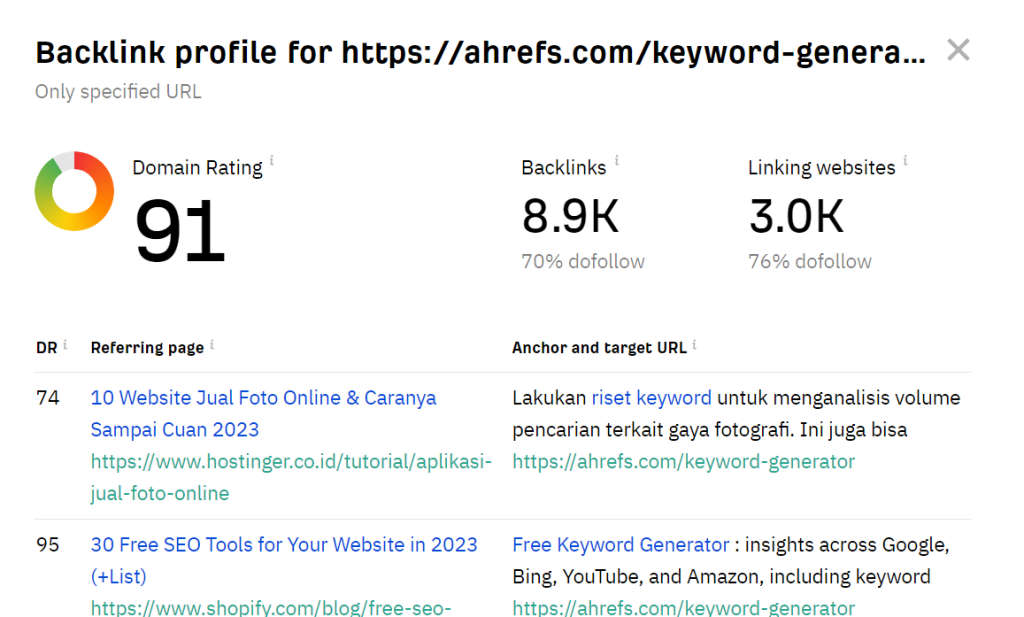
    Example: Ahrefs shows you exactly which pages link to your site, the authority of those domains, the anchor text used, and when links were gained or lost. TechyHitTools.org might tell you “you have backlinks” with minimal detail.

    Edge: Premium tools dominate in every category. But they also cost 100x more. You’re not choosing between equals—you’re choosing between accuracy and affordability.

    VS. Canva (Design Tools)

    For image creation, manipulation, and design work, Canva’s free tier vastly outperforms TechyHitTools.org. Canva offers templates, drag-and-drop editing, brand kits, and an intuitive interface.

    Edge: Canva by a landslide. If design is your primary need, don’t waste time here.

    VS. Grammarly (Writing Tools)

    Grammarly’s free version catches grammar errors, suggests clarity improvements, and checks tone. Its plagiarism detection (premium feature) actually works. The browser extension integrates everywhere.

    TechyHitTools.org’s writing tools largely don’t function. When they do work, they’re inferior to Grammarly’s free offering.

    Edge: Grammarly absolutely. Not even a contest.

    The pattern emerges: TechyHitTools.org works best as a secondary resource for simple tasks, not a primary platform for specialized needs.

    The Hidden Strategy: Content Aggregation Over Tool Development

    Here’s something fascinating I noticed while researching: TechyHitTools.org prominently features a “Write for Us” program.

    They actively solicit guest posts. Multiple pages encourage contributors to submit articles. The site includes extensive blog content covering digital marketing, tech trends, and tool tutorials.

    This reveals their likely business model: they’re building domain authority through content aggregation as much as through tool development. More content means more keywords to rank for, more organic traffic, more ad impressions.

    For users, this creates an interesting opportunity. If you’re a digital marketer looking for backlinks, publishing on TechyHitTools.org might help your SEO. But it also explains why some core tools remain broken—the platform’s focus may be split between tool quality and content volume.

    As one analysis observed, “the platform’s long-term strategy is content aggregation—boosting domain authority and visibility through contributor-driven posts.”

    My Personal Testing: Three Real-World Scenarios

    Let me share actual experiences using the platform for specific tasks.

    Scenario 1: Quick Instagram Post Optimization

    Task: Create styled text for an Instagram caption and find relevant hashtags

    Tools Used: Instagram Font Generator, Hashtag Suggestion Tool

    Result: Success. The font generator worked instantly, producing multiple stylized options I could copy-paste. The hashtag tool suggested 15-20 relevant tags based on my keyword. Total time: 3 minutes.

    Verdict: For this specific use case, TechyHitTools.org delivered exactly what I needed. No complaints.

    Scenario 2: SEO Audit for Blog Post

    Task: Check on-page SEO for a 1,500-word article I wrote

    Tools Used: On-Page SEO Checker, Keyword Density Analyzer

    Result: Mixed. The checker identified my missing meta description and pointed out I hadn’t used my target keyword in my first paragraph—both fair criticisms. However, it flagged my “readability” as poor when the content was deliberately technical (writing for developers). The keyword density suggestions seemed arbitrary.

    Verdict: Useful for catching obvious errors. Not sophisticated enough to understand context or nuance. Better than nothing, worse than professional tools.

    Scenario 3: Content Originality Check

    Task: Verify a 500-word product description was unique

    Tools Used: Plagiarism Checker

    Result: Complete failure. Submitted the text three times over two days. Never received any output. Not a percentage, not an error message, not even a loading indicator. Just nothing.

    Verdict: Unusable. Genuinely worse than not having the tool at all, because it wastes your time.

    The Verdict: Strategic Use, Not Total Solution

    After extensive testing and research, here’s my honest assessment:

    TechyHitTools.org is a supplementary resource that works for specific, limited tasks. It’s not a scam. It’s not dangerous. But it’s also not a comprehensive solution for professional digital work.

    Use it when:

    • You need quick image format conversion
    • You want Instagram font styling
    • You’re learning basic SEO concepts
    • You need simple file compression
    • You’re testing an idea before investing in tools

    Avoid it for:

    • Professional plagiarism detection
    • Accurate SEO campaign data
    • Reliable content rewriting
    • Client work requiring precision
    • Any scenario where accuracy is critical

    Think of it like a free gym membership versus a personal training program. The free gym has some working equipment and gets the job done for casual fitness. But serious athletes need specialized coaching, better equipment, and professional support.

    TechyHitTools.org is that free gym. Great for beginners and casual users. Inadequate for professionals and serious practitioners.

    Better Alternatives for Specific Needs

    Rather than trying to do everything poorly, focus on specialized tools that excel at specific tasks:

    SEO:

    • Ubersuggest ($29-$99/month) – Affordable middle ground
    • Google Search Console (Free) – Direct data from Google
    • Screaming Frog (Free up to 500 URLs) – Technical SEO audits

    Content Writing:

    • Hemingway Editor (Free web, $19.99 desktop) – Readability improvement
    • LanguageTool (Free with premium option) – Grammar checking
    • QuillBot (Free tier available) – Paraphrasing that actually works

    Plagiarism:

    • SmallSEOTools (Free, better than TechyHitTools.org)
    • DupliChecker (Free with limitations)
    • Your university’s official tool (for students)

    Design:

    • Canva (Free tier is excellent)
    • Photopea (Free Photoshop alternative)
    • GIMP (Free, open-source)

    Social Media:

    • Later (Free plan for scheduling)
    • Hashtagify (Free hashtag research)
    • Native platform analytics (Instagram Insights, TikTok Analytics)

    Each of these alternatives outperforms TechyHitTools.org in its specific category. The trade-off? You’re managing multiple platforms instead of one centralized dashboard.

    Final Thoughts: Managing Expectations in the Free Tool Economy

    Here’s the fundamental truth about free digital tools in 2026: they exist in the gaps between casual needs and professional requirements.

    TechyHitTools.org succeeds when your needs are simple and your budget is zero. It fails when accuracy matters and reliability is non-negotiable.

    The platform isn’t lying to you. It genuinely offers the tools it advertises. Some work well. Many don’t work at all. None match premium alternatives.

    Your success with TechyHitTools.org depends entirely on understanding these limitations. If you approach it as a free starter kit—a learning resource, a quick-fix solution, a testing ground before you invest in real tools—you’ll find value.

    If you expect it to replace professional-grade software, you’ll be disappointed and potentially misled by inaccurate data.

    The platform reminds me of that advice new guitarists always get: yes, you can learn on a $50 guitar from Walmart. You’ll discover if you enjoy playing. You’ll learn basic chords. But if you get serious about music, you’ll eventually need better equipment.

    TechyHitTools.org is that $50 guitar. It’ll get you started. It might even be all you need for casual use.

    But if this becomes your profession? Invest in the real thing.

  • The Revolution of IPTV: How Internet Protocol Television is Reshaping the Way We Watch

    The Revolution of IPTV: How Internet Protocol Television is Reshaping the Way We Watch

    Television has undergone a metamorphosis.

    Gone are the days when families huddled around a single screen at appointed hours, slaves to rigid broadcast schedules. The clunky cable box gathering dust in your entertainment center? It’s becoming obsolete. A new paradigm has emerged, one that delivers content through internet connections rather than traditional terrestrial, satellite, or cable formats. This transformation goes by a name that sounds technical, almost sterile: IPTV. But don’t let the acronym fool you—Internet Protocol Television represents nothing less than a fundamental reimagining of how media reaches our screens.

    What Exactly Is IPTV?

    At its core, IPTV transmits television content using the same internet protocol suite that powers everything from email to web browsing. Instead of receiving programs through radio frequency signals or fiber-optic cables designed specifically for television, IPTV delivers video content as data packets over standard internet connections. Think of it this way: when you stream a show on Netflix or watch a live sports event through an app, you’re using IPTV technology.

    But there’s more to it than that.

    Traditional television broadcasting operates on a push model—networks send out signals containing all available channels simultaneously, and your television or set-top box selects which one to display. IPTV, conversely, employs a pull model. Content sits on servers until you request it, at which point the specific program you want gets transmitted to your device. This fundamental difference enables capabilities that traditional broadcasting simply cannot match: true on-demand viewing, interactive features, personalized content recommendations, and the ability to pause, rewind, or record live television with ease.

    The technology manifests in three primary formats. Live IPTV mirrors traditional broadcast television, streaming programs in real-time. Time-shifted IPTV allows viewers to watch previously aired content whenever they choose—think catch-up TV services. Video on Demand (VOD) provides access to vast libraries of content, from classic films to niche documentaries, available at the click of a button.

    The Technology Behind the Screen

    Understanding IPTV requires peeling back layers of technical complexity. When you select a program, your request travels from your device to the content provider’s server. The server retrieves the video file, compresses it using sophisticated codecs to reduce file size without sacrificing quality, then breaks it into thousands of tiny data packets. These packets zoom through the internet infrastructure—routers, switches, fiber-optic cables—until they arrive at your home network.

    Your device receives these packets, reassembles them in the correct order, decompresses the video, and displays it on your screen. All of this happens in milliseconds.

    The magic depends on adequate bandwidth. Standard definition content might require 3-4 Mbps, high definition demands 5-8 Mbps, and 4K Ultra HD content can consume 25 Mbps or more. Without sufficient internet speed, you experience the scourge of buffering—those infuriating pauses that shatter immersion and test patience.

    Modern IPTV systems employ adaptive bitrate streaming, a clever technique that monitors your connection speed in real-time and adjusts video quality accordingly. Bandwidth drops? The system temporarily reduces resolution to maintain smooth playback. Connection improves? Quality ramps back up. You barely notice the transitions.

    The IPTV Ecosystem: Players and Platforms

    The IPTV landscape teems with providers, each offering distinct advantages and targeting different audiences. They broadly fall into two categories: legitimate services and unauthorized operations.

    Legitimate IPTV services include the streaming giants that have become household names. Netflix pioneered the subscription VOD model, amassing over 230 million subscribers worldwide. Amazon Prime Video bundles streaming with e-commerce benefits. Disney+ leverages a century of beloved content. HBO Max, Apple TV+, Peacock, Paramount+—the list grows longer every year. Each competes for your monthly subscription fee and viewing hours.

    Live television hasn’t been left behind. Services like YouTube TV, Hulu + Live TV, Sling TV, and FuboTV offer packages of live channels streamed over the internet, effectively replacing traditional cable subscriptions at competitive prices. They include cloud DVR functionality, multi-device access, and flexibility that cable companies struggle to match.

    Telecom providers have entered the fray too, with companies like AT&T, Verizon, and Comcast offering IPTV services to complement or replace traditional cable offerings.

    Then there’s the murky world of unauthorized IPTV services.

    These operations, often based in jurisdictions with lax copyright enforcement, offer access to thousands of live channels and on-demand content for suspiciously low monthly fees. They market themselves through online forums, social media groups, and word-of-mouth. The allure is obvious—why pay for multiple legitimate subscriptions when one service promises everything for fifteen dollars a month? But the risks are substantial: unreliable service, potential legal consequences for users, security vulnerabilities, and the ethical problem of supporting piracy that harms content creators.

    The Advantages That Drive Adoption

    Why has IPTV exploded in popularity? The benefits are manifold and compelling.

    Flexibility stands paramount. Watch what you want, when you want, where you want. Commuting to work? Stream on your smartphone. Traveling internationally? Access your content library from hotel rooms. Multiple family members can watch different programs on different devices simultaneously. The tyranny of the broadcast schedule has been overthrown.

    Cost-effectiveness appeals to budget-conscious consumers. Traditional cable packages often bundle hundreds of channels, most unwatched, at premium prices. IPTV services let you subscribe only to what you actually want. Sports fan but indifferent to movies? Choose accordingly. Prefer documentaries and international content? Options exist for that too. Even subscribing to several services typically costs less than traditional cable.

    Content variety has reached unprecedented levels. IPTV platforms host vast libraries spanning decades of television history, international programming, independent films, and niche content that would never survive on traditional networks. Algorithms suggest shows based on your viewing habits, helping you discover content you might love but would never have encountered through conventional channel surfing.

    Interactive features transform the viewing experience. Pause live TV to answer the phone. Rewind to catch dialogue you missed. Skip commercials on recorded content. Access actor information, trivia, and related content with a few clicks. Some services offer multiple camera angles for sports, language options, subtitles, and audio descriptions.

    Picture quality often surpasses traditional broadcasting. While dependent on your internet connection, IPTV can deliver pristine 4K resolution with HDR, Dolby Atmos sound, and higher frame rates. Cable and satellite systems, constrained by bandwidth limitations, often compress their signals more aggressively.

    The Challenges and Drawbacks

    No technology is perfect, and IPTV comes with notable limitations and challenges.

    Internet dependency creates vulnerability. Your viewing experience is only as reliable as your internet connection. Service outages, network congestion, and bandwidth limitations can disrupt streaming. Live in a rural area with limited broadband infrastructure? IPTV may prove frustrating or impossible. Even in well-connected areas, too many devices competing for bandwidth can degrade quality.

    Data consumption concerns affect those with capped internet plans. Streaming video devours data—a two-hour 4K movie might consume 14 GB or more. Watch IPTV extensively with a monthly data cap, and you could face overage charges or throttled speeds. Some internet service providers specifically exempt their own streaming services from data caps while counting competitors, raising net neutrality questions.

    Subscription fatigue is becoming real. The proliferation of streaming services, each with exclusive content, means accessing everything you want might require subscriptions to five, six, or more platforms. Those costs add up, potentially exceeding what you paid for cable. Content fragmentation forces viewers to remember which service hosts which show. The convenience that made cord-cutting attractive starts eroding.

    Technical complexity can frustrate less tech-savvy users. Setting up streaming devices, troubleshooting connection issues, managing multiple apps and accounts, dealing with compatibility questions—it all requires comfort with technology that not everyone possesses. Your elderly parents might find traditional cable’s simplicity preferable.

    Content availability fluctuates. Licensing agreements expire, shows move between platforms, and beloved content disappears without warning. That series you started watching last month? It might vanish before you finish it, migrating to a competing service or entering the licensing limbo.

    Latency affects live events. IPTV streams typically run 30-60 seconds behind real-time, sometimes more. For live sports, this delay means your neighbor watching via cable might erupt in celebration before you see the winning goal. Social media spoilers become more problematic. The shared temporal experience of live television fragments.

    The Legal and Ethical Landscape

    IPTV occupies complicated legal territory, particularly regarding unauthorized services that have proliferated globally.

    Legitimate IPTV services operate through proper licensing agreements, paying content owners for distribution rights. They invest billions in original programming, contribute to the entertainment industry’s economy, and employ thousands of creators, technicians, and staff.

    Unauthorized services, conversely, stream copyrighted content without permission or payment. They’re often technically sophisticated, using encryption, frequent server changes, and offshore hosting to evade law enforcement. From a user perspective, they seem harmless—just watching television, after all. But legally, accessing pirated streams can constitute copyright infringement in many jurisdictions.

    Authorities have cracked down with increasing vigor. High-profile raids have shuttered major pirate IPTV operations. Some countries now target not just providers but subscribers, sending warning letters or pursuing legal action against users. Internet service providers, under court orders, block access to known pirate streaming sites and services.

    The ethical dimensions extend beyond legality. Piracy undermines the economic model that funds content creation. When millions access content without paying, studios reduce budgets, shows get cancelled, and creators struggle to make livings from their work. The argument that “corporations have enough money” ignores the reality that below-the-line workers—set designers, makeup artists, camera operators, writers—depend on sustainable industry economics.

    Yet some argue that legitimate services’ fragmentation and pricing drive users toward piracy. When accessing desired content legally requires navigating a maze of subscriptions with escalating costs, some consumers opt for easier, cheaper alternatives. It’s a cycle: piracy concerns lead to exclusive content deals, which fragment the market further, which increases piracy. Breaking this cycle remains an industry challenge.

    IPTV Technology Continues Evolving

    The IPTV sector isn’t static—it evolves rapidly, driven by technological advancement and changing consumer expectations.

    5G networks promise transformation. With dramatically higher speeds and lower latency than 4G, 5G could enable seamless high-quality streaming anywhere with coverage. Imagine watching 4K content on your phone while riding a train, with no buffering or quality drops. Mobile IPTV could become truly viable.

    Artificial intelligence is being integrated at multiple levels. Recommendation algorithms grow more sophisticated, predicting what you’ll enjoy with uncanny accuracy. AI assists in content creation, automated captioning, content moderation, and even generating personalized video summaries. Future systems might create customized edits of programs based on your preferences and available time.

    Cloud gaming integration represents convergence. Services like Google Stadia, Xbox Cloud Gaming, and GeForce Now stream video games using IPTV-like technology. As infrastructure improves, the distinction between streaming video and streaming interactive experiences blurs.

    Virtual and augmented reality will expand IPTV’s dimensions. Imagine watching sports with a VR headset that places you courtside, letting you look around the arena naturally. Or overlaying information and statistics onto live broadcasts through AR glasses. These technologies, though nascent, will reshape how we consume streamed content.

    Blockchain technology might disrupt distribution models. Decentralized content distribution, micropayments for individual episodes or scenes, smart contracts ensuring creators get paid fairly—these possibilities exist on the horizon, though mainstream implementation remains distant.

    The Global IPTV Picture

    IPTV adoption varies dramatically across regions, shaped by infrastructure, regulation, economics, and culture.

    North America and Western Europe lead in adoption, supported by robust broadband infrastructure and high disposable incomes. Cord-cutting accelerates as younger generations reject traditional cable. Yet internet service providers themselves often serve as IPTV providers, maintaining revenue streams even as traditional cable declines.

    Asia presents a mixed picture. South Korea and Japan boast world-class internet infrastructure and high IPTV penetration. China’s IPTV market, the world’s largest by subscriber count, operates under strict government oversight with heavy censorship. India sees rapid growth driven by affordable data plans and smartphone proliferation, with services like Hotstar amassing hundreds of millions of users.

    Latin America and Africa face infrastructure challenges that limit IPTV’s reach. Where broadband remains expensive or unavailable, traditional television persists. Yet mobile-first approaches—streaming via cellular networks rather than home broadband—show promise in these markets.

    Regulatory approaches differ too. Some countries mandate minimum quality standards for IPTV services. Others impose strict content regulations, requiring local programming quotas or censoring certain material. European privacy laws affect how IPTV providers collect and use viewer data. This regulatory patchwork complicates global expansion for streaming services.

    The Future of Television

    Where is this all heading?

    Traditional linear television won’t disappear overnight, but its decline seems inexorable. Older demographics still prefer familiar cable services. Live sports remain a stronghold, though even here streaming rights are being aggressively pursued. Local news hasn’t transitioned smoothly to streaming models.

    But the trajectory is clear: entertainment consumption is becoming internet-based, on-demand, and personalized. The very concept of “television” is expanding beyond the living room screen to encompass phones, tablets, laptops, and devices yet to be invented.

    We might see consolidation among streaming services as the market matures. The current proliferation isn’t sustainable—not every service will survive. Mergers, acquisitions, and shutdowns will reduce options, potentially recreating the bundled cable model in new form.

    Ad-supported tiers are proliferating as services seek to reduce barriers to entry and tap advertising revenue. The ad-free streaming experience that defined early Netflix is evolving into a multi-tier model where cheaper options include commercials.

    Interactive content represents another frontier. Netflix’s experiments with choose-your-own-adventure programming hint at possibilities. Imagine sports broadcasts where you select camera angles in real-time, or dramas where you influence plot decisions, creating personalized story variations.

    Social viewing features might recreate communal television watching experiences. Watch parties, integrated chat, reactions, and shared viewing sessions could restore the social dimension that individual streaming sometimes lacks.

    Making IPTV Work for You

    For those considering transitioning to IPTV or optimizing their current setup, several practical considerations matter.

    Assess your internet connection first. Run speed tests at different times to understand your actual available bandwidth, not just advertised speeds. Factor in all devices that share your connection. If speeds prove insufficient, consider upgrading or implementing quality-of-service settings on your router to prioritize streaming traffic.

    Choose services strategically. Audit what you actually watch. Subscribe to one or two services, exhaust their content that interests you, then cancel and try others. Rotating subscriptions maximizes content access while controlling costs. Take advantage of free trials, but set reminders to cancel before charges kick in if you’re not satisfied.

    Invest in proper equipment. A quality streaming device—Roku, Apple TV, Fire TV Stick, Chromecast—enhances the experience significantly. Modern smart TVs have built-in apps, but dedicated devices often perform better and receive updates more reliably. A good router matters too; older models may struggle with streaming demands.

    Use wired connections when possible. Wi-Fi is convenient, but Ethernet cables provide more stable, faster connections. For your main viewing device, a wired connection eliminates many buffering issues.

    Be wary of deals that seem too good to be true. They usually are. Unauthorized services promising everything for minimal fees bring legal risks, unreliable performance, and potential security threats. Stick with legitimate providers.

    Conclusion: A New Era Unfolds

    IPTV represents more than technological advancement—it embodies a philosophical shift in how we relate to media. The passive consumption of whatever broadcasters decided to air has given way to active curation of personalized entertainment experiences. We’ve traded scheduled programming for infinite libraries accessible at any moment. We’ve exchanged limited choices for overwhelming abundance.

    This transformation brings liberation and complication in equal measure.

    The flexibility is extraordinary. The options are paralyzing. The technology is impressive. The infrastructure isn’t universal. The content is abundant. The costs are accumulating. The future is exciting. The challenges are real.

    Television, that fixture of twentieth-century life, is becoming something else entirely—something more personal, more interactive, more global, and more internet-native. IPTV isn’t just changing how we watch TV; it’s redefining what television means.

    As the revolution continues, the winners will be services that balance content quality with user experience, maintain sustainable pricing models, respect privacy and security, and adapt quickly to technological change. The losers will be rigid providers clinging to outdated models.

    For viewers, the key is intentionality. IPTV offers unprecedented control—use it wisely. The technology serves us best when we remain its masters rather than becoming slaves to infinite content libraries and algorithmic recommendations.

    The screen glows. The options beckon. The choice, ultimately, is yours.

    That’s the promise and the burden of IPTV: total freedom to watch whatever you want, whenever you want, however you want. We’re still learning what to do with it.

  • Marketing Case Study: TechsSlassh.com – Disrupting Tech Media Through Unconventional Marketing and Community-First Growth

    Executive Overview

    In an industry dominated by established players with massive resources and brand recognition, TechsSlassh.com achieved what many considered impossible: building a thriving technology publication from scratch that now reaches over two million monthly readers. This wasn’t accomplished through massive advertising budgets or celebrity founders. Instead, TechsSlassh leveraged unconventional marketing approaches, prioritized community above all else, and created innovative content formats that resonated with an underserved audience segment.

    This case study explores how TechsSlassh identified white space in a crowded market, executed a community-first growth strategy, and built sustainable competitive advantages through creative marketing that larger competitors couldn’t easily replicate. Their story offers valuable insights for anyone attempting to build brand awareness and audience in competitive markets with limited resources.

    Market Entry: Identifying the Opportunity

    The technology media landscape appeared fully saturated when TechsSlassh launched. Major publications covered every conceivable angle. Niche blogs addressed specialized topics. YouTube channels and podcasts filled audio and video content needs. Where was the opportunity?

    The founding team spent three months simply listening before publishing anything. They joined dozens of online communities, participated in forums, attended virtual events, and conducted informal interviews with technology professionals about their content consumption habits. What they discovered surprised them.

    Despite abundant content availability, many professionals felt underserved. Technical content was often either too superficial for experts or too complex for non-specialists. Business-focused publications lacked technical depth. Technical publications lacked business context. Almost no one effectively bridged these worlds.

    Furthermore, existing publications operated on traditional media models: they published content, readers consumed it, end of relationship. There was minimal bidirectional engagement. Comment sections were afterthoughts. Reader feedback rarely influenced editorial direction. Communities existed separately from content.

    TechsSlassh saw an opening. They would build a publication designed around community from the foundation rather than adding community features as afterthoughts. Every aspect of their marketing and content strategy would prioritize relationship-building over traffic metrics. They would serve the “technical translator” audience: people who understood technology deeply but needed to communicate it to business stakeholders, or business leaders who needed to understand technical implications of strategic decisions.

    This was their unfair advantage. Not better writers. Not more money. Not superior technology. Simply clearer focus on an underserved audience and willingness to build differently than incumbents.

    The Community-First Marketing Philosophy

    Most publications follow a predictable path: create content, promote content, attract audience, monetize audience, perhaps build community features. TechsSlassh inverted this.

    They started by building community before having content worth promoting.

    This seemed backward. Conventional wisdom says you need something to attract people. But they recognized that community members could help define what content would be valuable rather than guessing in isolation. So they launched a Discord server and began recruiting technology professionals interested in discussing challenges, sharing insights, and collaboratively exploring topics.

    Initial recruitment was highly manual and personal. Founders spent hours identifying potential members, reaching out individually with personalized invitations, and explaining the vision. They weren’t selling anything or promoting content because nothing existed yet. They were simply inviting people to participate in conversations.

    The first hundred members were critical. Each brought expertise, perspective, and networks. Early discussions revealed pain points, content gaps, and topics that generated passionate debate. These insights informed initial content planning far more effectively than keyword research tools or competitor analysis ever could.

    When TechsSlassh finally launched content, they already had an engaged community eager to read, provide feedback, and share with their networks. These weren’t cold audiences acquired through ads or algorithmic discovery. They were warm relationships established through genuine interaction.

    Phase 1: Grassroots Community Building (Months 0-8)

    Building the Founding Community

    Growth was intentionally slow initially. Rather than pursuing quantity, TechsSlassh obsessed over quality and engagement. They wanted members who would actively participate, not passive followers.

    Recruitment focused on specific channels where target audience members congregated. Instead of broad social media campaigns, they identified particular subreddits, Slack workspaces, LinkedIn groups, and forums relevant to their niche. Within these spaces, team members became valuable contributors first, sharing expertise and helping others without any promotional agenda.

    Over weeks and months, these contributions established credibility. People began recognizing their names and appreciating their insights. Only then would they occasionally mention the community they were building and invite particularly thoughtful contributors to join.

    This organic approach was time-intensive and unscalable. But it built a foundation of authentic relationships and highly engaged members who felt genuine ownership over the community’s development.

    Co-Creating Content Strategy

    With an active community established, TechsSlassh began content planning collaboratively. They would post potential article topics in the Discord, gauge interest, gather perspectives, and identify knowledge gaps. The most engaging discussion topics became article priorities.

    Writers didn’t operate in isolation. Draft articles were shared with relevant community members for feedback before publication. This served multiple purposes: it improved content quality through expert review, it made members feel valued and heard, and it created anticipation for publication among people who’d contributed to the piece’s development.

    Early articles explicitly credited community members who contributed insights, reviewed drafts, or inspired topics. This recognition was meaningful and motivated continued participation while also demonstrating to new members that involvement was genuinely valued.

    Leveraging Member Networks

    Community members became the primary marketing channel. When articles published, members shared them not because they were asked but because they felt ownership. They had contributed to the content’s creation, they trusted its quality because they’d reviewed it, and they were proud to be associated with the publication.

    This organic social sharing proved far more effective than paid promotion. Messages from trusted peers carry infinitely more weight than advertisements or posts from brand accounts. Members’ networks represented highly relevant audiences—other technology professionals who matched the target demographic.

    TechsSlassh made sharing easy by creating custom graphics, pull quotes, and social snippets for each article that members could easily post. They weren’t prescriptive about messaging but provided resources that facilitated sharing for those inclined to do so.

    Establishing Content Differentiation

    Based on community feedback, TechsSlassh developed several distinctive content formats that set them apart from competitors.

    “Translation” articles became a signature format: complex technical topics explained in business terms, or business strategies explained with technical implementation details. These addressed the core need they’d identified—bridging technical and business perspectives.

    “Debate” pieces presented multiple perspectives on controversial technical or strategic questions without declaring definitive winners. They would outline various viewpoints, explore tradeoffs, and let readers draw conclusions. Community discussions around these articles were particularly vibrant as members added their perspectives.

    “Behind the Scenes” content offered insider perspectives on how technology organizations actually functioned versus how they appeared externally. These featured interviews with practitioners discussing real challenges, mistakes, and lessons rather than polished success stories.

    “Collaborative Research” projects engaged community members in data collection and analysis. For example, a study on remote work technology adoption surveyed community members, analyzed results collaboratively, and published findings co-authored by contributing participants.

    Phase 2: Scaling While Maintaining Culture (Months 8-20)

    Managed Growth Strategy

    As word spread and demand for membership increased, TechsSlassh faced a critical decision: pursue rapid growth or maintain quality through managed expansion. They chose the latter.

    A waiting list managed demand while preserving community culture. New members were admitted in small batches with careful onboarding that emphasized community norms, participation expectations, and mutual respect. This intentional friction filtered out those seeking quick promotional opportunities while welcoming those genuinely interested in contributing.

    Existing members participated in onboarding, welcoming newcomers and helping them integrate. This distributed the cultural transmission work while making new members feel immediately welcomed and valued.

    Growth rate was deliberately capped below what demand would support. This scarcity had interesting psychological effects: membership became somewhat exclusive, increasing its perceived value. People appreciated what they had access to rather than taking it for granted.

    Content Production Expansion

    With proven formats and enthusiastic audience, content production scaled. The team grew from three founders to fifteen contributors, including full-time writers, editors, and community managers.

    Hiring prioritized cultural fit and community connection over pure writing ability. Several community members who’d been particularly insightful contributors joined as writers. This maintained authentic voice and deep understanding of audience needs.

    Publication frequency increased from twice weekly to daily, but quality standards remained non-negotiable. Every piece still went through rigorous review, incorporated community feedback, and met the high bar established early on.

    Diversity of perspectives became an intentional priority. The team recognized that effective bridging of technical and business worlds required voices from various backgrounds, industries, and experience levels. They actively recruited contributors who could offer underrepresented perspectives.

    Strategic SEO Implementation

    While community remained the primary marketing focus, SEO couldn’t be ignored. However, TechsSlassh approached it differently than competitors.

    Rather than chasing high-volume keywords dominated by established players, they targeted question-based queries their audience actually asked. Community discussions revealed specific problems people faced, questions they debated, and terms they used. These became SEO targets.

    Content was optimized for humans first, search engines second. They never compromised readability or usefulness for keyword density. This meant some articles weren’t optimized traditionally but served community needs better, creating engagement that indirectly boosted SEO through shares and backlinks.

    Technical SEO fundamentals were handled excellently: fast site speed, mobile optimization, proper schema markup, clean URL structures, and comprehensive internal linking. These became competitive advantages as technical execution matched or exceeded larger competitors despite resource disadvantages.

    Email as Community Extension

    Email newsletters served as community extensions rather than broadcast channels. They weren’t simply content distribution mechanisms but spaces for continued conversation and connection.

    Each newsletter included community highlights: interesting discussions from the Discord, member achievements, collaborative projects, and opportunities for involvement. This kept members engaged between direct community visits and showcased the vibrant culture to those considering membership.

    Segmentation enabled personalization without losing community feeling. Different reader interests received relevant content recommendations, but all newsletters maintained consistent voice and community references that reinforced belonging to something larger.

    Reply-to addresses went to real people who responded personally. This shocked readers accustomed to no-reply newsletters from other publications. But it created meaningful touchpoints and relationship-building opportunities that cemented loyalty.

    Phase 3: Monetization and Sustainability (Months 20-36)

    Community-Aligned Revenue Model

    Monetization required careful consideration to avoid damaging community trust. TechsSlassh developed a multi-faceted approach that aligned revenue generation with community value.

    Premium membership offered enhanced access and benefits for committed members willing to financially support the publication. This included ad-free reading, exclusive content, early access to research, priority support, and virtual event access. Critically, the free tier remained robust—premium was additive value, not withholding basic access.

    Pricing was positioned as community support rather than pure transaction. Messaging emphasized that premium members enabled the publication to remain independent, pay contributors fairly, and continue serving the community. This framing resonated with members who’d developed emotional connection to the platform’s success.

    Corporate partnerships were carefully structured to provide value while respecting audience trust. Rather than traditional advertising, TechsSlassh offered sponsored research, co-created content, and event partnerships where corporate partners contributed expertise and resources to projects that served community interests. Every partnership was transparently disclosed and subject to community feedback.

    Consulting and advisory services leveraged the team’s expertise and community insights to help technology vendors understand practitioner perspectives and needs. This created lucrative B2B revenue streams without monetizing the community audience itself.

    Event-Based Revenue and Engagement

    Virtual and eventually in-person events became significant revenue generators while deepening community bonds. These ranged from intimate workshops to large conferences, all designed around community participation and connection rather than passive attendance.

    Member-led sessions positioned community experts as presenters, validating their expertise while ensuring content relevance. This distributed the burden of content creation while elevating member profiles.

    Networking was prioritized equally with content. Events included structured networking sessions, smaller breakout discussions, and social activities that facilitated relationship formation beyond consumption of presentations.

    Recordings and materials became premium content assets for those unable to attend live, extending value and revenue beyond the event itself.

    Product and Service Extensions

    The publication evolved into a broader platform. Job boards connected community members with opportunities at companies valuing their skills and perspectives. This served members’ career interests while generating placement fees.

    Training programs and certification courses leveraged community expertise to offer professional development aligned with member needs and interests. These premium offerings commanded significant prices justified by quality and relevance.

    Research subscriptions for enterprises provided deep analytical reports, data access, and strategic insights drawn from community participation and ongoing engagement with practitioner perspectives. Corporate subscribers paid premium rates for insight quality unavailable elsewhere.

    Maintaining Community-First Despite Commercial Success

    Commercial success threatened to shift priorities from community to revenue. TechsSlassh implemented structural safeguards against this.

    Community councils comprising elected members provided input on major strategic decisions, monetization approaches, and editorial direction. This formalized member voice in governance.

    Transparent financial reporting shared revenue, expenses, and business performance with the community. This openness built trust and helped members understand commercial realities without feeling exploited.

    Reinvestment commitments ensured significant revenue portions went toward improving community value: better tools, more events, contributor compensation increases, and expanded content. Members could see their financial support directly enhancing the platform.

    Advanced Marketing Tactics

    Leveraging User-Generated Content

    Community members created enormous value beyond their subscription fees. Discussion threads, shared resources, member articles, and collaborative projects generated content that supplemented professional publications.

    TechsSlassh featured exceptional user-generated content prominently, elevating member voices alongside staff writers. This democratization of platform access motivated quality contributions while providing diverse perspectives that enriched content offerings.

    Attribution and recognition were generous. Contributing members received bylines, bio profiles, and promotion of their work. This motivated participation while building individual brands alongside the publication’s brand.

    Strategic Partnership Marketing

    Rather than competing with every technology publication, TechsSlassh strategically partnered with complementary platforms. They co-produced content with publications serving adjacent audiences, cross-promoted to mutually beneficial audiences, and collaborated on research projects too large for any single entity.

    These partnerships multiplied reach without proportional resource investment while building relationships across the industry that enhanced credibility and access.

    Data-Driven Optimization

    Despite community-first philosophy, data informed decisions. TechsSlassh tracked engagement metrics, content performance, conversion patterns, and community health indicators.

    However, they measured what mattered: depth of engagement, not just traffic volume. Comments per article, discussion thread length, member retention, and community participation rates were prioritized over pageviews.

    A/B testing refined elements like newsletter subject lines, article headlines, and call-to-action placement. But testing never compromised core values or manipulated readers in questionable ways.

    Qualitative feedback remained equally important as quantitative data. Regular community surveys, one-on-one member interviews, and ongoing discussion monitoring provided context that pure metrics couldn’t capture.

    Building Media Relationships

    Rather than viewing journalists and other publications as competitors, TechsSlassh cultivated relationships with media professionals. They became reliable sources for quotes, expert perspectives, and data for others’ stories.

    This generosity generated significant indirect publicity. Being cited in major publications and appearing as experts in articles and podcasts drove awareness among broader audiences while building authority.

    Key Success Factors and Lessons

    Several elements proved critical to TechsSlassh’s success. First, genuine community commitment before commercialization established authentic culture that withstood later business pressures. Community wasn’t a marketing tactic but foundational identity.

    Second, clear audience definition and serving that audience relentlessly created differentiation impossible to replicate through superior resources alone. Knowing exactly who they served and what those people needed enabled focused execution that beat scattered efforts of larger competitors.

    Third, patience with growth protected quality and culture. Resisting pressure to scale faster than culture could accommodate prevented dilution that often destroys communities during rapid expansion.

    Fourth, transparency and member participation in governance built trust that survived inevitable challenges and mistakes. Community felt ownership because they had genuine voice in direction.

    Fifth, monetization aligned with member interests rather than exploiting audience attention for maximum revenue extraction. This sustainable approach sacrificed short-term income for long-term loyalty.

    Challenges Overcome

    Not everything succeeded smoothly. An early attempt to launch a mobile app failed due to insufficient budget and technical challenges, wasting resources and disappointing members. The team learned to focus on proven channels before expanding to new platforms.

    Moderating community as it grew proved challenging. Conflicts arose. Bad actors occasionally joined. Managing these issues while preserving inclusive culture required substantial effort and careful policy development informed by community input.

    Content quality occasionally suffered during scaling as production demands increased. Implementing more rigorous editorial processes and investing in additional editors addressed this but required acknowledging the problem honestly with community and committing to improvement.

    Competition intensified as larger publications noticed TechsSlassh’s community approach and attempted to replicate aspects. However, they struggled because community-building couldn’t be purchased or executed quickly. Years of relationship cultivation created moats that resources alone couldn’t bridge.

    Results and Impact

    By three years post-launch, TechsSlassh exceeded even optimistic projections. Monthly readership reached 2.1 million unique visitors. Community membership exceeded 45,000 with remarkably high engagement rates—over 60% of members actively participated monthly.

    Revenue diversification created stability, with income distributed across memberships (35%), corporate partnerships (30%), events (20%), and other services (15%). This balance eliminated dependence on any single revenue source.

    More significantly, qualitative impact was profound. Community members regularly credited TechsSlassh with career advancements, professional connections, and enhanced understanding that improved their work. Several successful startups formed from connections made through the community. Hiring managers reported preferentially interviewing candidates active in TechsSlassh community because it signaled quality and current knowledge.

    Industry recognition followed. Major technology vendors sought TechsSlassh perspectives on product development. Conference organizers partnered with them on events. Analysts and researchers collaborated on studies. They had built genuine influence and authority.

    Broader Implications

    TechsSlassh’s journey demonstrates that community-first approaches can compete successfully against resource-rich competitors in established markets. Key lessons include:

    Authentic community cannot be purchased or quickly replicated, creating defensible competitive advantages for those willing to invest in relationship-building over extended periods.

    Starting with community before content inverts traditional approaches but can be more effective by ensuring product-market fit through direct audience collaboration.

    Quality over quantity in both community members and content creates more sustainable growth than rapid scaling that compromises culture or standards.

    Transparency and member participation in governance builds trust that sustains through challenges and competitive pressures.

    Monetization aligned with community value rather than extractive advertising models creates sustainable revenue while maintaining loyalty.

    Looking Forward

    TechsSlassh’s future appears bright but faces challenges. Maintaining culture during continued growth requires vigilance and potentially embracing slower expansion than market demand suggests. International expansion presents opportunities but cultural translation challenges. New content formats and platform features require investment while preserving focus on core strengths.

    Competition will intensify as others recognize the effectiveness of community-first approaches and attempt replication. However, TechsSlassh’s multi-year head start, authentic culture, and deeply engaged community provide significant advantages.

    The fundamental insight that launched their success remains valid: in content-saturated markets, community and relationships matter more than pure content volume or reach. By prioritizing genuine connection, collaborative creation, and sustainable value exchange, TechsSlassh built something larger competitors struggle to replicate despite superior resources.

    Their case study proves that even in crowded markets against established incumbents, focused strategy, authentic community-building, and unwavering commitment to serving specific audience needs can build remarkable success from humble beginnings. The marketing tactics were unconventional. The commitment to community was absolute. The results speak for themselves.

  • Marketing Case Study: TechSlassh.com – Building a Tech News Empire Through Strategic Digital Marketing

    Executive Summary

    TechSlassh.com emerged as a disruptive force in the technology news and analysis sector, carving out a unique position in an overcrowded market. This case study examines how the platform leveraged innovative marketing strategies, audience-centric content creation, and data-driven decision-making to build a loyal readership and establish itself as a trusted voice in tech journalism. Through strategic partnerships, SEO optimization, and community engagement, TechSlassh transformed from a modest startup blog into a recognized authority that attracts millions of monthly visitors. There’s also techsslaash.com

    The journey wasn’t straightforward. It involved experimentation, failure, adaptation, and ultimately, triumph.

    Background and Market Context

    The digital technology news landscape has always been fiercely competitive. Established giants like TechCrunch, The Verge, Wired, and Ars Technica dominate search rankings and command massive audiences. Breaking into this space requires more than just good content—it demands differentiation, consistency, and strategic marketing prowess.

    TechSlassh.com launched during a period when readers were experiencing information overload. The market was saturated. Every tech announcement, every product launch, every software update generated dozens of articles across hundreds of platforms. Most offered similar perspectives, identical quotes from press releases, and predictable analysis. The challenge was clear: how could a new entrant stand out?

    The founding team recognized an opportunity. While major publications focused on breaking news and comprehensive coverage, they identified gaps in the market. Specifically, there was insufficient content serving mid-level professionals who needed practical insights rather than sensationalism. There was a hunger for deeper analysis that went beyond surface-level reporting. And there was space for a publication that could explain complex technical concepts without dumbing them down or making them inaccessible.

    Initial Marketing Challenges

    TechSlassh.com faced several formidable obstacles at launch. Zero brand recognition meant no direct traffic. No backlink profile meant poor search visibility. Limited budget meant traditional advertising was largely off the table. The founding team consisted of talented writers and developers but lacked formal marketing expertise.

    Competition for keywords was brutal. Try ranking for “iPhone review” or “AI news” when competing against sites with domain authorities in the 80s and 90s. Impossible, really. At least initially.

    The team needed to be creative, scrappy, and strategic. They needed to find asymmetric advantages—areas where they could compete effectively despite their disadvantages in resources and reach.

    Phase 1: Foundation and Audience Discovery (Months 0-6)

    Content Strategy Development

    Rather than attempting to cover everything, TechSlassh made a critical strategic decision: they would focus on depth over breadth. Initially, they concentrated on three primary verticals: enterprise software, cybersecurity, and emerging technologies. This focus allowed them to build genuine expertise and authority in these areas rather than being mediocre generalists.

    The content philosophy centered on practical utility. Every article needed to answer a specific question or solve a particular problem. Lists and quick takes were deliberately avoided in favor of comprehensive guides, technical deep-dives, and analytical pieces that required 15-20 minutes of engaged reading. This was counterintuitive in an era where everyone preached snackable content and decreasing attention spans.

    But it worked.

    SEO Foundation

    The technical team implemented comprehensive on-page SEO from day one. This included proper header hierarchies, schema markup, optimized meta descriptions, and fast loading times. They built the site on a modern tech stack that prioritized performance. Core Web Vitals weren’t just buzzwords—they were fundamental design requirements.

    Keyword research focused on long-tail opportunities where competition was manageable. Instead of targeting “cloud computing,” they targeted “how enterprise organizations evaluate cloud security compliance frameworks.” These longer, more specific queries had lower search volumes but much higher conversion potential and achievable rankings.

    Internal linking structures were planned architecturally rather than added haphazardly. Every article connected to related content through contextually relevant anchor text. This created topic clusters that signaled topical authority to search engines.

    Early Audience Building

    With no existing audience, TechSlassh needed to find readers wherever they congregated. The team became active participants in relevant Reddit communities, Hacker News, and specialized forums. They didn’t spam links—they contributed genuine value and occasionally mentioned their articles when relevant.

    Email collection began immediately. Every article included subtle but clear calls-to-action for newsletter signup. The value proposition was simple: get weekly analysis delivered to your inbox without the noise. Early subscribers received highly personalized content and direct access to writers, creating a core group of brand advocates.

    Social media efforts focused exclusively on LinkedIn and Twitter, platforms where their target audience of tech professionals was most active. Rather than broadcasting, the approach emphasized conversation and relationship-building with industry influencers, potential readers, and fellow creators.

    Phase 2: Growth and Differentiation (Months 6-18)

    Content Marketing Expansion

    As traffic began growing organically, TechSlassh doubled down on what was working. Analytics revealed that comprehensive guides and technical tutorials generated the most engaged traffic and strongest backlinks. These became content pillars.

    The editorial team developed a signature analytical framework that readers came to recognize and appreciate. Every product review, for instance, followed a consistent methodology evaluating security, usability, integration capabilities, cost-efficiency, and support quality. This consistency built trust and credibility.

    Original research and data-driven journalism became a key differentiator. Rather than reporting on others’ research, TechSlassh began conducting surveys, analyzing industry data, and publishing original findings. A quarterly report on enterprise software adoption became a highly anticipated publication that generated significant media coverage and backlinks from major outlets citing their data.

    Guest contributors from industry brought additional expertise and expanded reach. These weren’t random freelancers but recognized experts—CTOs, security researchers, product managers—who could provide insider perspectives. Their involvement lent additional authority and helped promote content to their networks.

    Strategic SEO Advancement

    With foundational SEO in place, efforts shifted toward building domain authority through quality backlinks. The team implemented a digital PR strategy focused on creating linkable assets: original research, comprehensive industry reports, expert roundups, and data visualizations.

    Outreach was personalized and value-focused. Rather than generic “please link to us” emails, they identified specific articles where their content would genuinely add value to readers and crafted custom pitches explaining why. The conversion rate was low, but the quality of acquired links was high.

    Broken link building proved particularly effective in their niche. Many older tech articles linked to resources that no longer existed. TechSlassh created superior replacement content and reached out to site owners with helpful suggestions. This approach generated goodwill along with valuable backlinks.

    They also leveraged HARO (Help a Reporter Out) consistently, responding to journalist queries with expert insights. This generated numerous mentions and links from major publications while positioning their team as industry thought leaders.

    Community Development

    TechSlassh recognized that sustainable growth required community, not just audience. They launched a moderated Slack community for tech professionals interested in discussing emerging technologies, sharing resources, and networking. This created a direct channel to their most engaged readers and provided invaluable feedback on content direction.

    Webinars and virtual events brought the community together around specific topics. These weren’t promotional—they were educational sessions featuring industry experts discussing challenges, solutions, and trends. Recordings became valuable content assets that continued generating views and signups long after the live events.

    Comment sections were actively moderated and engaged with by writers. TechSlassh committed to responding thoughtfully to reader comments, questions, and even criticisms. This two-way dialogue distinguished them from larger publications where comment sections were often wastelands of spam and toxicity.

    Phase 3: Monetization and Scaling (Months 18-36)

    Revenue Strategy

    With growing traffic and engagement, monetization became viable and necessary for sustainability. TechSlassh implemented a diversified revenue model rather than relying on a single income stream.

    Display advertising was inevitable but implemented thoughtfully. Rather than maximizing ad density, they prioritized user experience with reasonable ad placements and strict quality standards. Programmatic ads were supplemented with direct sponsorship deals with relevant technology vendors who valued their audience quality over pure traffic volume.

    Affiliate partnerships focused exclusively on products and services the editorial team genuinely recommended. Integrity was non-negotiable. If they wouldn’t personally use or recommend something, they wouldn’t accept affiliate commissions for it. This approach meant lower revenue initially but sustained trust with their audience.

    Premium content offerings provided additional value for subscribers willing to pay. This included extended analysis, exclusive interviews, early access to research reports, and ad-free reading. The paywall was permeable—free readers still received tremendous value, but power users could access enhanced content for a reasonable subscription fee.

    Sponsored content and native advertising were accepted under strict guidelines. Every sponsored piece was clearly labeled, maintained editorial standards, and provided genuine value. Sponsors purchased access to the audience but couldn’t purchase editorial perspective or favorable coverage.

    Scaling Content Production

    To scale without sacrificing quality, TechSlassh developed efficient content production systems. An editorial calendar planned content themes months in advance, allowing for thorough research and strategic timing. Writers specialized in specific beats, developing deep expertise rather than spreading themselves thin across all topics.

    Content repurposing maximized the value of each piece. A comprehensive article might be transformed into an infographic, a series of social media posts, a webinar topic, a newsletter feature, and a podcast episode. This multiplied reach without multiplying production effort proportionally.

    The team invested in content management tools, editorial workflow systems, and analytics platforms that provided insights into what resonated with audiences. Data informed decisions about topic selection, content formats, publication timing, and promotional strategies.

    Advanced Marketing Tactics

    Email marketing evolved from simple newsletters to sophisticated, segmented campaigns. Subscribers were grouped based on interests, engagement levels, and content preferences. Someone interested in cybersecurity received different recommendations than someone focused on enterprise software, creating more relevant experiences that drove higher engagement.

    Retargeting campaigns brought back previous visitors who hadn’t converted to subscribers or engaged deeply with content. These campaigns highlighted related articles, promoted newsletter signup, or invited participation in community events.

    Partnership marketing opened new audience channels. TechSlassh collaborated with complementary publications, technology vendors, and industry associations on co-marketing initiatives. Guest posting on established platforms, participating in expert panels, and contributing to industry reports all expanded reach and authority.

    Podcast and video content extended the brand into new formats. While maintaining focus on written content, TechSlassh launched a podcast featuring interviews with technology leaders and a YouTube channel hosting technical tutorials and product demonstrations. These formats attracted different audience segments and provided additional monetization opportunities.

    Key Success Factors

    Several elements proved critical to TechSlassh’s marketing success. First, unwavering commitment to quality and audience value. Every decision filtered through a simple question: does this serve our readers? When the answer was no, they didn’t proceed regardless of potential short-term gains.

    Second, strategic focus over scattered efforts. By concentrating on specific niches rather than attempting comprehensive coverage, they built genuine expertise and authority that resonated with audiences and search algorithms alike.

    Third, consistency and persistence. Growth was gradual, not explosive. There was no viral moment or overnight success. Instead, steady publication of quality content, continuous optimization, and persistent outreach compounded over time into substantial results.

    Fourth, authentic community engagement. TechSlassh treated readers as partners in the publication’s development rather than passive consumers. This created advocates who organically promoted content, provided feedback, and contributed to the community’s vibrancy.

    Fifth, data-driven adaptation. While maintaining core principles, they remained flexible about tactics, continuously testing, measuring, and optimizing based on results rather than assumptions.

    Challenges and Solutions

    Not everything worked smoothly. Several initiatives failed or underperformed. An early attempt at a paid membership program launched prematurely before the audience was ready, resulting in poor conversion rates and wasted development resources. The lesson: build free value extensively before asking for payment.

    Algorithm updates periodically disrupted traffic patterns. A significant Google core update in the second year temporarily reduced organic traffic by 35%. The team responded by diversifying traffic sources, accelerating email list building, and strengthening direct audience relationships that insulated them from future algorithm volatility.

    Scaling while maintaining quality proved challenging. As production increased, maintaining editorial standards required investment in additional editors, clearer style guides, and robust review processes. This was costly but essential to protect the brand’s reputation for quality.

    Competition from established players intensified as TechSlassh gained visibility. Larger publications occasionally copied their content approaches, topic selections, and even specific article frameworks. Rather than viewing this as theft, they took it as validation that their strategies were effective and doubled down on authentic voice and community relationships that couldn’t be easily replicated.

    Results and Metrics

    By the three-year mark, TechSlassh had achieved remarkable growth from a standing start. Monthly unique visitors grew from zero to over 850,000. Email subscribers exceeded 125,000, with industry-leading open rates above 40%. Domain authority increased to 62, placing them among respected mid-tier publications.

    More importantly, qualitative metrics demonstrated genuine impact. Readers regularly cited TechSlassh articles in professional contexts, shared content within organizations, and engaged deeply with material. Average time on page exceeded six minutes for feature articles, indicating genuine reading rather than cursory scanning.

    Revenue diversification created sustainability, with income distributed roughly 40% from advertising, 25% from subscriptions, 20% from affiliate partnerships, and 15% from sponsored content and events. This balance provided stability against fluctuations in any single revenue stream.

    Industry recognition followed audience growth. Technology vendors sought TechSlassh coverage. Other publications cited their research. Conference organizers invited team members as speakers. These external validations confirmed that they had built genuine authority within their niche.

    Lessons and Implications

    TechSlassh’s journey offers several broadly applicable lessons for digital publishers and content marketers. First, differentiation matters more than perfection. Being distinctly valuable to a specific audience beats being generically acceptable to everyone.

    Second, patience and consistency compound. Growth in content marketing is rarely linear or rapid. Sustained effort over extended periods generates results that seem sudden from outside but represent accumulated work.

    Third, audience relationships transcend algorithms. While SEO and social algorithms drive discovery, direct relationships through email, communities, and consistent quality insulate against platform volatility.

    Fourth, integrity sustains while shortcuts burn out. Every compromise on quality, every slightly questionable monetization decision, every departure from audience-first principles provides short-term gains but long-term costs. Maintaining standards sometimes meant turning down revenue opportunities, but protected the trust that ultimately proved more valuable.

    Conclusion and Future Outlook

    TechSlassh.com demonstrates that even in highly competitive markets, strategic marketing combined with quality content and authentic audience relationships can build sustainable publishing businesses. Their approach wasn’t revolutionary—it combined established best practices in SEO, content marketing, and community building. But execution was exemplary.

    The future presents both opportunities and challenges. Continued growth requires international expansion, additional content formats, and potentially new vertical expansion. Competition intensifies as others recognize the strategies’ effectiveness. Technology platforms evolve, requiring constant adaptation.

    But the foundation is solid. A loyal audience, strong brand recognition within their niche, diversified revenue, and a team experienced in navigating digital publishing’s complexities position TechSlassh for continued success. Their marketing case study illustrates that with clear strategy, consistent execution, and unwavering focus on audience value, even late entrants can build meaningful positions in crowded markets.

    The principles that drove their first three years—quality, focus, consistency, community, and integrity—will serve them equally well in the next phase of growth.

  • SaaS link building guide for SaaS companies

    SaaS link building guide for SaaS companies

    In this post we are going to talk about how to build links to your SaaS site and drive real traffic outcomes.

    But first let’s talk about different benefits you get with Saas link building.

    1. You can increase trust
    2. You can increase authority in the eyes of search engines. You calculate it through ahrefs or moz but that are just pointers and we don’t know much about real weightage a site may have
    3. You can increase the organic traffic to your site- higher the number of mentions more the traffic to your site
    4. This leads to more sales and more leads either due to referral traffic spike or from indirect growth due to links

    Topical Relevance 

    The link that you add to an article be it a niche edit or a guest post; it should be placed in a manner that someone would want to click on it.
    If your SaaS is for time management and you gain a SaaS backlink from a health blog article or from a post talking about ecology the link isn’t really doing anything for you. The algorithms are designed to weed out and devalue links from irrelevant domains. The same ecology link to an environmental site may improve its rankings.

    See, its all about context.

    Domain Authority 

    The authority the DR rating, the more valuable the link

    If you get a link from Hubspot that comes with dr of 92 this establishes more trust on your site.

    Page Traffic 

    Even if the sites have great DA. most pages don’t get traffic. Its important to look at pages by their traffic and see if you can get links from pages that have on page traffic. The ideal links drive more traffic and this should be something that you must not overlook at all.

    THe ideal links should drive more traffic for you

    External/Internal Links 

    If the article has lots of outgoing links, then the link juice gets diluted as a result of that.

    So whichever page you choose, choose one with limited set of outgoing links.
    Anchor Text 

    The anchor text is clickable part of the paragraph where your link appears at.

    Google helps you understand what other websites use to refer to you and what the content on the page is most likely to be.

    For SaaS link building, the keywords can be saas links, or backlinks in general.

    Common Mistakes in SaaS Link Building

    Most backlinks will help you scale. BUt several others are designed to take down your traffic and rankings. Strategies used to help build them can also lead to your site getting penalized by search engines.

    Here are common mistakes to avoid when building new links.

    Black Hat Link Tactics

    Black hat tactics are sure to ruin your site in the long run.

    Google has a nose for questionable practices, tons of low quality links pointing to your site, general deceit in links and getting links from shady sites or participating in any link program.s

    These practices can harm your domain and business.

    Sending Traffic to the Home Page Only 

    Instead of making the homepage target of all link building send links to targeted landing pages and or other tools or landing pages.

    Anchor Text Over-Optimization 

    Your anchor text should be relevant but don’t try to over-optimize it by adding multiple keywords or using repetitive phrases.

    Authority Over Relevancy 

    Getting links from quality authority sites is good as long as the links themselves are relevant to your business. Getting links from ecommerce sites however authoritative they may be won’t help much in driving your own rankings up.

    Low-Quality Content 

    Most businesses start guest posting to encourage links but with low quality AI built content getting posted, you’re not getting high quality links and that’s destroying your chances of getting better coverage.

    Not Leveraging Internal Links 

    Internal links are a low-cost way of acquiring links.  With internal links you can use any anchor to drive link juice around and internal linking structure also informs search engines about your page.

    Taking care of these mistakes can help your link building strategy so it doesn’t get penalized by search engines.

    Proven Effective Link Building Strategies for SaaS

    Here are some proven SaaS seo link building strategies to test and see if they work for you.

    1. Create Linkable Assets

    Many saas businesses do not get links because their content isn’t great.

    No one wants to send their audience to shallow content that nobody spent any time researching. That offers very little in terms of value.

    THe key to winning links is to invest time and effort to create content that rings with people offering real insights that the audience can’t see elsewhere.

    Pick a narrow niche and cover all possible angles. Trying to be broad topiced will spread these efforts thin. And if content isn’t good enough, getting links will be uphill.

    Here are some content types that consistently earn organic backlinks:

    1. Statistics & Reports – People love binging on data. SO when you publish content covering unique marketing insights people will start referencing your content and start linking to you.
    2. For instance we could publish a SaaS stats article that can drive links and traffic for us.
    1. GuidesLong-form content gets 77.2% more backlinks than short articles. Go deep and make it the go-to resource on the topic.
    2. Glossary Pages – Define industry terms in one place. And when people find that page most sites start linking to that glossary as a point of reference
    3. Pillar & Cluster Content –This helps build authority in the niche and many sites use this to form an interconnected web of content.
    4. Expert Roundups – Industry pros get quoted all the time. Interview experts, compile their insights, and watch the backlinks roll in.

    8. Product Embed 

    This isn’t really for everyone. Probably for SaaS tools that function  as a tool on websites. Let’s say a chatbox SaaS or a forms app.
    Sitegpt is a good example of a business that embeds itself on customer sites and that gives them natural sitewide links to its pages.

    This is what it looks like: 

    With this strategy and enough users, the tool can generate thousands of links in no time.

    These mentions aren’t annoying and serve as natural referrals for your business.

    9. Shareable Links 

    If your tool helps people, do follow links are another great way to accrue links.
    When users share their projects on the internet they can share profile links. Educate users about these links.

    10. Give Testimonials 

    If you are a SaaS company its likely that you use different tools to make life easier. One tool for seo, another to manage time and projects, a CRM, cms systems etc.

    This gives you plenty of opportunities to add testimonials as a powerful user of these different tools. This gives you links back to your brand.

    YOu can also give reviews of services you’re using. Some testimonials are only unlinked brand mentions

    11. Podcasting 

    POdcasts have been growing in popularity and there are two ways to make use of that trend.
    Speak on somebody’s podcast and when they feature you you tget a link

    • Feature someone on your podcast, and you earn a backlink when they share that on their website.

    This is a good strategy. You don’t spend a lot of time creating new content. You just speak on a subject where you’re already an expert for half an hour.

    You can also find a set of focused podcasts relevant to your brand.

    12. Thought-leadership Content 

    Engaging content that  forces people to challenge their assumptions appeals to your niche. Brands like Hubspot, Ahrefs and Zapier thrive on this content and they create data backed guides on popular topics or covering recent trends.

    Thought leadership content also enhances credibility for your brand.

    13. Journalist Outreach/Interviews 

    You can begin the narrative of outreaching to jhournalists to get links from authority sites. There are different platforms where journos and reporters hang out actively looking for comments by leaving queries. These replies are then quited by them in their next story.

    Joirnmalists from media like Forbes, and BVusiness insider routitnely hang out here to get the idea of quotes and interviews they often do

    Quotes for just a link are going to ghet rejected.

    14. Product Reviews 

    Product reviews are a great link-building strategy that are ideally great for driving new links, mentions and revenue.

    Get in touch with bloggers who are active in your niche and offer them your product. This should be turn for a few months of subscription of your tool for a review on their site.

    Image Sour

    There are also review aggregating sites like G2 where  you can get reviews of your product posted. Since these sites get plenty of traffic on their own you can drive some sales with your product posted on G2, Capterra and platforms such as those.

    This frees up your time and you get your product up on sites that sends you traffic and leads.

    15. Integration Partners 

    New SaaS tools build in integrations with other tools. This enahcnaces their own limits and serves on unified platforms, saving time.

    These partners can help youw in more links

    Image source 

    16. Conferences 

    You can also be part of condernence sot discuss your tool and improve brand sawresness. Clearsncope participated in webinars and added 12000 new links to their band.

    UYWhen you participate in these webinars, portray the different features relevant to the topic to increase awareness about what your product can do. Back this up with relevant case studies to build trust in your tool.

    17. Run PR Campaigns

    Pr campaigns drive awareness and get you links in the process. PR isn’t however limited to asking for mentions. Its about building lasting relatinshios with journlasts and online sites. If you cold pitch them you are most likely to be ignored

    Invest time in building cnnections. SShare useful resources and when the time arrives you will feature your band.

    Want to tip the scales in your favor? Follow these tips:

    • Stay on top of industry news: With google alerts be notified of breaking stories
    • Craft unique stories: Cover an angle that talks about what makes your business unique 
    • Back up your claims: Journalists don’t like weak stories. Use third party data to back up claims0
    • Keep it simple, silly (KISS): Reporters are terrified of new pitches. Get stragihg to the opint
    • Optimize your outreach: personalize your mails
  • HuraWatch Alternatives: Your Complete Guide to Safe and Legal Streaming Options

    The rise and fall of streaming sites like HuraWatch tells a familiar story. A platform emerges offering free access to vast content libraries, builds a loyal following, then disappears due to legal pressure or technical issues. Users scramble for alternatives, often finding inferior replacements or, worse, malicious sites masquerading as legitimate streaming services.

    HuraWatch distinguished itself with a clean interface, minimal intrusive advertising, and an extensive collection of movies and TV shows. Users appreciated the HD streaming quality, subtitle options, and the ability to watch without registration. But like countless similar sites, HuraWatch’s existence in legal gray areas made it inherently unstable.

    Finding reliable HuraWatch alternatives means understanding what made the platform appealing, recognizing the risks associated with similar sites, and discovering legitimate options that deliver comparable experiences. This comprehensive guide explores the full spectrum of alternatives—from completely legal free services to premium subscriptions worth every penny, and yes, even the risky gray-zone sites for those determined to stream without paying.

    Why HuraWatch Disappeared and What That Means

    Understanding why sites like HuraWatch shut down helps frame the search for alternatives. These platforms typically operate by hosting or linking to copyrighted content without proper licensing agreements. Studios and distributors actively pursue legal action against such sites, not only for lost revenue but to maintain control over how their content is distributed.

    When HuraWatch and similar sites disappear, they sometimes reappear under new domains. This cat-and-mouse game with authorities creates instability for users. Your favorite streaming site today might be gone tomorrow, taking your watchlist and viewing preferences with it. This unpredictability alone should motivate exploration of more stable alternatives.

    The technical infrastructure behind sites like HuraWatch also presents concerns. Without legitimate funding through subscriptions or reputable advertisers, these platforms rely on questionable advertising networks. These networks often serve malicious ads designed to install malware, steal information, or redirect users to phishing sites. Even experienced internet users can fall victim to sophisticated attacks.

    Premium Streaming Services: The Gold Standard

    Let’s address the elephant in the room first. The most reliable, highest-quality alternatives to HuraWatch are paid streaming services. Yes, they require financial investment. But consider this: the average person spends more on coffee in a month than on a streaming subscription. The value proposition becomes compelling when you factor in convenience, security, and content quality.

    Netflix: Still Leading the Pack

    Netflix revolutionized streaming and continues setting industry standards. Despite facing increasing competition from Disney+, HBO Max, and others, Netflix maintains the largest subscriber base globally for good reason. The platform invests billions annually in original content, producing everything from blockbuster action films to intimate foreign dramas.

    The recommendation algorithm remains Netflix’s secret weapon. The platform learns your preferences with surprising accuracy, surfacing shows and movies you didn’t know you wanted to watch. This discovery mechanism beats endlessly scrolling through unfamiliar titles on HuraWatch, hoping to stumble onto something worthwhile.

    Netflix’s technical execution is virtually flawless. Streaming is smooth even on slower connections thanks to adaptive bitrate technology. The platform supports 4K HDR content for premium subscribers with compatible devices. Downloads for offline viewing work seamlessly, perfect for flights or areas with poor connectivity. The interface, while occasionally subject to questionable redesigns, generally provides intuitive navigation across all devices.

    Content-wise, Netflix offers something for everyone. “Stranger Things” for sci-fi fans, “The Crown” for historical drama enthusiasts, “Squid Game” for those seeking international hits, “Bridgerton” for romance lovers. Stand-up comedy specials, documentaries, reality shows, anime, and children’s programming round out the library. While some popular shows have migrated to competing services, Netflix’s library remains impressively deep.

    Pricing tiers accommodate different budgets. The ad-supported plan provides significant savings while maintaining access to most content. Standard and premium plans remove advertisements and add simultaneous streams, with premium supporting 4K quality. For households with multiple viewers, the per-person cost becomes negligible.

    HBO Max (Now Just “Max”): Quality Over Quantity

    Max, formerly HBO Max, takes a different approach than Netflix’s volume strategy. The platform emphasizes prestige content—award-winning series, acclaimed films, and high-budget productions. If Netflix is the all-you-can-eat buffet, Max is the carefully curated tasting menu.

    HBO’s legacy shines through with complete series of “The Sopranos,” “The Wire,” “Game of Thrones,” and “Succession.” These aren’t just popular shows; they’re television landmarks that influenced the medium. New HBO originals like “House of the Dragon” and “The Last of Us” maintain that quality tradition while attracting massive viewership.

    Warner Bros. ownership means Max includes extensive film libraries. DC superhero films, Studio Ghibli animations, Turner Classic Movies selections, and major theatrical releases all stream on the platform. The addition of Discovery content brings reality programming, nature documentaries, and lifestyle shows into the mix, broadening appeal beyond HBO’s traditional demographic.

    Max’s interface underwent significant changes during its rebranding from HBO Max. Some users found the new design less intuitive, but it’s steadily improving. Streaming quality is excellent, supporting 4K on compatible devices. The platform allows offline downloads and multiple simultaneous streams depending on subscription tier.

    The pricing is premium compared to some competitors, reflecting the quality-focused approach. However, promotional deals frequently reduce costs, especially when bundled with other services or through partnerships with internet providers. For viewers who prioritize acclaimed programming over vast libraries of mediocre content, Max delivers exceptional value.

    Disney+: More Than Mickey Mouse

    Disney+ entered the streaming wars with an unmatched content arsenal. The platform serves as the exclusive home for Disney’s animated classics, Pixar films, Marvel Cinematic Universe projects, Star Wars content, and National Geographic programming. This concentration of beloved franchises makes Disney+ nearly essential for millions of households.

    Beyond the catalog titles everyone knows, Disney+ has invested heavily in original programming. Marvel series like “WandaVision,” “Loki,” and “Ms. Marvel” expand the MCU between theatrical releases. Star Wars shows including “The Mandalorian,” “Andor,” and “Ahsoka” keep that galaxy far, far away thriving on small screens. Pixar originals and Disney animated series provide fresh content for younger viewers.

    The platform excels at family-friendly entertainment, though it’s increasingly adding more mature content, especially in international markets where Disney+ includes the Star brand. Parental controls are robust, allowing parents to create kid-safe profiles that filter out inappropriate content automatically. This makes Disney+ uniquely suited for households with children.

    Technical performance is solid, with smooth streaming and support for 4K HDR on applicable content. The interface is colorful and easy to navigate, with clear organization by brand (Disney, Pixar, Marvel, Star Wars, National Geographic). Downloadable content for offline viewing works reliably across devices.

    Disney’s bundle strategy provides exceptional value. Combining Disney+, Hulu, and ESPN+ into a single subscription costs less than purchasing each separately. This bundle effectively covers family entertainment, adult programming, and live sports—comprehensive entertainment for diverse households. Even viewers who don’t initially think they need all three services often discover they use them all regularly.

    Amazon Prime Video: Hidden Streaming Gem

    Amazon Prime Video often flies under the radar because it’s included with Prime membership rather than marketed primarily as a streaming service. This makes it easy to overlook, but Prime Video’s library is surprisingly extensive and its original programming increasingly impressive.

    The back catalog includes thousands of movies and TV shows from various studios and eras. Amazon licenses aggressively, often securing streaming rights to content unavailable on Netflix or other competitors. The selection can feel scattered compared to more curated services, but patient browsing uncovers hidden gems regularly.

    Amazon’s original programming has matured significantly. “The Boys” deconstructs superhero mythology with savage satire and shocking violence. “Reacher” brings Lee Child’s popular character to life with faithful adaptations. “The Marvelous Mrs. Maisel” won numerous Emmys for its period comedy-drama about a 1950s stand-up comedian. These originals compete quality-wise with anything Netflix or Max produces.

    The platform’s hybrid model can confuse newcomers. Some content is included with Prime membership, while other titles are available for rent or purchase. Colored ribbons distinguish free versus paid content, but the integration of both can feel like Amazon constantly trying to upsell you. However, the included library is substantial enough that most viewers rarely need to rent.

    Prime Video’s interface has improved dramatically over the years but still lags behind Netflix in polish and intuitiveness. The X-Ray feature, which displays cast information, trivia, and music credits during playback, partially compensates for interface weaknesses. You can download content for offline viewing, create watchlists, and stream across multiple devices simultaneously.

    For existing Prime members, Prime Video represents incredible value since it’s effectively free with membership. Even for those considering Prime solely for streaming, the annual cost divided by twelve months competes favorably with other services, especially when you factor in occasional free shipping benefits.

    Free Legal Alternatives: No Subscription Required

    The assumption that quality streaming requires paid subscriptions is outdated. Several completely legal, ad-supported platforms offer impressive libraries rivaling paid services in size, if not always in current releases.

    Tubi: The Free Streaming Champion

    Tubi has emerged as the premier free streaming alternative to platforms like HuraWatch. Owned by Fox Corporation, Tubi offers over 50,000 movies and TV shows without requiring subscriptions, registration, or payment information. The service is completely legal, licensing content from studios and distributors.

    What sets Tubi apart is its surprisingly robust library. You’ll find everything from classic Hollywood films to recent theatrical releases that have completed their premium windows. The platform particularly excels in certain genres—horror fans will discover hundreds of titles ranging from cult classics to modern indie horror. Documentary enthusiasts can explore true crime, nature, history, and social issue programming. Anime fans have access to hundreds of series.

    The interface is clean and functional, superior to most free alternatives. Categories like “Not on Netflix” and “Highly Rated on Rotten Tomatoes” help with discovery. The search function actually works, unlike many free sites where finding specific titles requires archaeological skills. You can create watchlists, resume watching across devices, and receive personalized recommendations.

    Advertisements are Tubi’s trade-off for free content. A typical movie includes five or six commercial breaks, comparable to traditional television. However, these are professional commercials from recognizable brands, not the sketchy malware-laden ads plaguing illegal streaming sites. The ads are clearly marked, and while you can’t skip them, they’re brief enough to be tolerable.

    Tubi works on virtually every device—smartphones, tablets, smart TVs, streaming sticks, gaming consoles, and web browsers. The streaming quality is surprisingly good, with many titles available in HD. While you won’t find 4K content, the video quality exceeds what HuraWatch typically offered, especially considering stability and reliability.

    Pluto TV: Linear Meets On-Demand

    Pluto TV takes a unique approach by combining traditional linear television with on-demand streaming. Owned by Paramount, the platform offers over 250 live channels alongside thousands of on-demand titles, all completely free and ad-supported.

    The live channels create a browsing experience reminiscent of cable television. Can’t decide what to watch? Flip to the horror channel, the classic sitcom channel, or the reality TV channel and watch whatever’s currently playing. This passive consumption appeals to viewers overwhelmed by endless on-demand choices. Dedicated channels for shows like “Star Trek,” “Survivor,” or “Hell’s Kitchen” let you binge without manually selecting episodes.

    The on-demand library complements the live channels with thousands of movies and complete TV series. Content skews toward older titles and reality programming, but there’s substantial variety. ViacomCBS properties feature heavily, meaning lots of MTV shows, Comedy Central specials, and Nickelodeon classics. Families with young children will appreciate the robust kids’ section.

    Pluto TV’s advertising load is comparable to Tubi—noticeable but not overwhelming. Commercial breaks are clearly marked on live channels, and on-demand content includes occasional ads. All advertisements are from legitimate brands, making the experience safe and professional.

    The platform works across all major devices and doesn’t require account creation. Creating an account allows you to favorite channels and shows, but it’s optional. The interface is straightforward, with channels displayed in a familiar grid layout and on-demand content organized by category.

    Crackle: Sony’s Free Offering

    Crackle, owned by Sony Pictures Entertainment, represents another legitimate free alternative. While its library is smaller than Tubi or Pluto TV, Sony’s ownership provides access to quality films and shows from their extensive catalog.

    Original programming distinguishes Crackle from other free services. The platform has produced several exclusive series demonstrating ambitions beyond simply recycling old content. While these originals don’t reach Netflix or HBO quality levels, they’re professionally produced and genuinely entertaining.

    The library rotates monthly, with titles coming and going as licensing agreements change. This keeps the selection fresh but means you shouldn’t procrastinate if you spot something interesting. Crackle’s curation leans toward action films, crime dramas, and comedies, though other genres are represented.

    Advertisements on Crackle are more frequent than on Tubi, which can frustrate during intense scenes. However, the commercials are standard brand advertisements, not the malicious ads found on illegal sites. The trade-off for free, legal content seems fair.

    Crackle works across multiple devices without requiring account creation, though registration enables resuming across platforms. The interface is functional if not particularly exciting, with straightforward navigation and reliable search.

    The Roku Channel: Aggregation Excellence

    The Roku Channel, while associated with Roku devices, is accessible to anyone through its website or mobile apps. The platform aggregates content from multiple sources, creating a comprehensive free streaming destination.

    What makes the Roku Channel special is its comprehensiveness. Beyond its own licensed content, the platform integrates other free services like Tubi and Pluto TV. This allows browsing everything through a single interface, eliminating the hassle of jumping between multiple apps or websites.

    The content library is substantial and growing. Movies, TV shows, and live news channels provide diverse entertainment options. Roku has also begun investing in original programming, though these productions are still early stage compared to Netflix or Amazon originals.

    The platform clearly distinguishes ad-supported content from premium rentals and purchases. Advertisements are present but not excessive, and they’re all from legitimate sources. The interface is clean and responsive, with good search functionality and helpful recommendations.

    Freevee: Amazon’s Ad-Supported Addition

    Freevee, formerly IMDb TV, is Amazon’s ad-supported streaming service. The platform offers thousands of movies and TV shows completely free, funded by advertisements. Amazon’s resources ensure a steady stream of licensed content and original productions.

    The library includes a mix of classic films, recent releases, and TV series from various networks. Amazon has secured streaming rights to popular shows like “Leverage” and “The Bachelor,” providing free access to complete series. Original programming exclusive to Freevee is gradually expanding, with shows like “Bosch: Legacy” attracting viewers.

    Integration with Amazon’s ecosystem is both a strength and weakness. If you’re already comfortable with Amazon’s interface and have a Prime account, Freevee integrates seamlessly. However, the platform sometimes feels like it’s pushing you toward Prime Video rentals or purchases.

    Advertisements are moderate and professional, comparable to other free services. Commercial breaks are clearly marked, and you can’t skip them, but they’re brief enough to be tolerable. The streaming quality is good, with many titles available in HD.

    Specialized Platforms for Niche Content

    Sometimes the best HuraWatch alternative isn’t a general streaming service but a specialized platform catering to specific interests. These niche services often provide deeper, more curated libraries than mainstream alternatives.

    Crunchyroll: Anime Headquarters

    For anime enthusiasts, Crunchyroll is essential. The platform offers the largest legal anime library in the Western world, with thousands of series spanning every genre and era. From classic shows to simulcasts of currently-airing Japanese series, Crunchyroll serves as anime central.

    The simulcast feature sets Crunchyroll apart. New episodes often stream within hours of Japanese broadcast, allowing Western fans to stay current without waiting months for traditional licensing and dubbing. This eliminates temptation to use illegal streaming sites for the latest episodes.

    A free tier with advertisements provides access to most content, though episodes typically have a one-week delay compared to premium subscribers. The premium tier removes ads, unlocks simulcasts, and supports offline downloads. For dedicated anime fans, the premium subscription pays for itself in convenience and selection.

    The platform includes manga reading functionality, convention coverage, and anime news, creating a comprehensive anime ecosystem. The community features allow connecting with other fans, though the interface for these features can be clunky.

    Shudder: Horror Paradise

    Horror fans should investigate Shudder, a streaming service exclusively dedicated to horror, thriller, and suspense content. While it requires a subscription, the specialized library and exclusive content make it worthwhile for genre enthusiasts.

    Shudder features everything from classic Universal monster movies to the latest indie horror. The platform includes exclusive originals, many of which have earned critical acclaim and cult followings. Themed programming and curated collections help discovery, especially for exploring horror subgenres or international scary cinema.

    The platform also features live “Shudder TV” channels that stream horror content 24/7, similar to Pluto TV’s approach but genre-specific. Special programming around holidays like Halloween provides themed viewing marathons.

    Pricing is reasonable compared to general streaming services, and the focused library means less time spent searching for something to watch. The interface is straightforward, streaming quality is reliable, and the platform works across all major devices.

    Kanopy: Library-Powered Streaming

    Kanopy offers a unique proposition—free streaming funded by public libraries and universities. If you have a library card from a participating institution or university login credentials, you can access Kanopy’s impressive catalog at no cost.

    The library emphasizes quality over quantity. Criterion Collection films, international cinema, documentaries, and independent films dominate the selection. This makes Kanopy ideal for cinephiles seeking acclaimed, thoughtful films rather than mainstream blockbusters or binge-worthy TV series.

    Educational content is another Kanopy strength. The platform includes thousands of documentaries on every conceivable subject, making it valuable for students and lifelong learners. The Great Courses Plus content provides structured educational programming.

    Most institutions limit monthly views, typically between 10 and 20 films per month. This encourages thoughtful selection rather than mindless scrolling. The interface is clean and academic, with helpful context about films and filmmakers.

    Access requires checking if your local library or university partners with Kanopy. Not all institutions participate, but coverage is expanding. If available, Kanopy represents exceptional value—free access to content that would otherwise require expensive subscriptions or rentals.

    Building Your Streaming Arsenal

    Rather than seeking a single HuraWatch replacement, consider building a streaming strategy combining multiple services. This approach provides comprehensive coverage without overwhelming costs or relying on questionable sites.

    The Free Foundation

    Start with free services as your foundation. Tubi, Pluto TV, the Roku Channel, and Freevee collectively offer tens of thousands of titles without any subscription fees. Exploring these libraries thoroughly before considering paid options often reveals they meet most casual viewing needs.

    These platforms work best when you’re flexible about what to watch. They excel at browsing and discovery rather than immediately accessing specific recent releases. If you’re willing to explore their catalogs, you’ll find countless hidden gems, classic films, and engaging series.

    Combine multiple free services to maximize selection. What’s unavailable on Tubi might stream on Pluto TV. Content rotates across platforms as licensing agreements change, so maintaining bookmarks for several free services helps track down specific titles.

    Strategic Paid Subscriptions

    Add one or two paid subscriptions to fill gaps in free offerings. Choose based on your specific interests and viewing habits. If you’re a Marvel or Star Wars fan, Disney+ is obvious. HBO Max appeals to viewers who prioritize acclaimed programming. Netflix serves those wanting the largest library of originals.

    Resist subscribing to everything simultaneously. Streaming fatigue is real, and juggling six or seven services creates decision paralysis while draining your budget. One or two carefully chosen subscriptions combined with free services typically provides sufficient entertainment.

    Consider your household’s viewing patterns. Families with young children benefit greatly from Disney+. Sports fans might prioritize services offering live games. TV enthusiasts who need current episodes should choose Hulu. Matching subscriptions to actual usage maximizes value.

    The Rotation Strategy

    Many savvy streamers rotate subscriptions rather than maintaining constant subscriptions to multiple services. Subscribe to Netflix for a month, binge your watchlist, cancel, then switch to Disney+ or Max the following month. This maximizes variety while minimizing costs.

    Streaming services don’t penalize cancellation. You can cancel and resubscribe freely without losing profiles, watchlists, or recommendations. Many platforms retain your data during inactive periods, making returns seamless months later.

    This strategy requires organization and discipline. Maintain a list of shows and movies you want to watch on each service. When the list for a particular platform becomes substantial, subscribe for a month and binge. Take advantage of free trials for new services, remembering to cancel before they convert to paid subscriptions if you’re not interested.

    Leveraging Bundles and Deals

    Watch for bundle deals combining multiple services at discounted rates. The Disney+/Hulu/ESPN+ bundle delivers exceptional value for families or sports fans. Some cellular providers include streaming subscriptions with certain phone plans. Credit cards occasionally offer streaming credits or reimbursements as perks.

    Student discounts, military discounts, and other special pricing reduce costs on many platforms. Always verify eligibility for reduced pricing before subscribing at full price. Annual subscriptions typically offer savings versus monthly plans if you’re confident about long-term usage.

    Consider household sharing where appropriate and legal. Many services allow multiple simultaneous streams, enabling family members or trusted friends to split costs. Ensure you’re following each platform’s terms of service, as account sharing policies vary and are evolving, with some services cracking down on sharing between separate households.

    Understanding the Risks of Gray-Zone Sites

    Despite the availability of excellent legal alternatives, some users seek free streaming sites similar to HuraWatch. These platforms exist in legal gray areas, operating without proper licensing while trying to avoid detection and shutdown. Understanding the risks helps make informed decisions.

    Legal and Ethical Concerns

    Sites like HuraWatch stream copyrighted content without compensating creators, studios, or distributors. This harms the entertainment industry by reducing revenue that funds future productions. While individual viewers rarely face prosecution, the ethical question remains—is saving money worth depriving creators of fair compensation?

    Legal risks vary by jurisdiction. Some countries aggressively pursue piracy, sending warnings to users or even imposing fines. Others focus enforcement on site operators rather than viewers. Your internet service provider might throttle your connection if they detect extensive streaming from questionable sources.

    Security and Privacy Threats

    The security risks of gray-zone streaming sites often outweigh any financial savings. These platforms fund operations through advertising networks that aren’t always reputable. Malvertising—malicious advertisements designed to install malware, steal information, or hijack browsers—is common.

    Even experienced internet users can fall victim to sophisticated attacks. Fake download buttons, invisible click targets, and drive-by downloads that execute without user interaction pose constant threats. Once infected, your device might perform slowly, display unwanted ads, or expose sensitive personal information.

    Privacy concerns extend beyond malware. Questionable streaming sites lack the security infrastructure of legitimate services. They might log viewing habits and sell data to third parties. IP addresses and browsing behavior can be tracked, potentially exposing your identity and online activities.

    Instability and Unreliability

    Gray-zone sites disappear regularly due to legal pressure, hosting issues, or funding problems. When your go-to streaming site vanishes, your watchlists and viewing history go with it. The site might reappear under a new domain, but there’s no guarantee, and finding the legitimate successor among numerous copycats proves challenging.

    This instability creates frustration. You might start watching a series only to have the site shut down mid-season. Domain changes mean constantly searching for new URLs, never certain if the site you’re visiting is the real replacement or a malicious copycat designed to steal information.

    Using Protection If You Choose Risky Sites

    If, despite the risks and alternatives, you choose to use questionable streaming sites, take precautions to minimize harm. These protective measures don’t eliminate all risks but reduce exposure to common threats.

    Virtual Private Networks (VPNs)

    VPNs encrypt internet traffic and mask IP addresses, providing privacy and security. Reputable VPN services cost money but protect all online activities, not just streaming. NordVPN, ExpressVPN, and Surfshark are popular options with good reputations.

    VPNs prevent your ISP from monitoring streaming activity and can bypass geographic restrictions. However, many streaming sites—both legal and questionable—attempt to block VPN traffic. You might need to try different servers or VPN providers to find one that works.

    Free VPNs typically offer inferior protection and might themselves harvest data for profit. If privacy is truly a concern, investing in a reputable paid VPN is essential. Read independent reviews and avoid VPNs with questionable privacy policies.

    Ad Blockers and Browser Protection

    Ad blocking extensions like uBlock Origin block most advertisements and pop-ups, reducing malware exposure. These tools are essential when visiting questionable streaming sites, as they prevent many common attack vectors.

    However, many streaming sites detect ad blockers and refuse to play content until you disable them. This creates a dilemma between security and access. Some users employ ad blockers that can defeat anti-adblock measures, though this becomes an arms race as sites update their detection methods.

    Browser-based protections include using private browsing modes and ensuring your browser is updated with the latest security patches. Private mode prevents sites from accessing cookies and stored data, limiting tracking capabilities. Updated browsers include security improvements that protect against known vulnerabilities.

    Antivirus and Anti-Malware Software

    Quality antivirus software provides another defense layer. Keep it updated and run regular scans, especially after visiting questionable sites. Some antivirus programs include web protection that blocks access to known malicious sites automatically.

    Windows Defender (now Microsoft Defender) provides adequate protection for casual users at no cost. More comprehensive options like Bitdefender, Kaspersky, or Norton offer additional features and possibly better detection rates, though they require subscriptions.

    Anti-malware tools like Malwarebytes complement antivirus software by catching threats that slip through. Free versions provide on-demand scanning, while premium versions offer real-time protection.

    The Future of Streaming

    The streaming landscape continues evolving rapidly. Understanding emerging trends helps make informed long-term decisions about entertainment consumption.

    Consolidation and Platform Wars

    The streaming wars are intensifying as companies realize the market cannot sustain dozens of competing services. Mergers and consolidations are becoming common—Warner Bros. Discovery combined HBO Max and Discovery+ into Max, Paramount+ absorbed Showtime.

    This consolidation benefits consumers in some ways by reducing the number of necessary subscriptions. However, it also concentrates power among fewer companies, potentially leading to price increases as competition decreases. Staying informed about industry changes helps adapt your strategy accordingly.

    Ad-Supported Tiers Becoming Standard

    Nearly every major streaming service now offers ad-supported tiers at reduced prices. Netflix, Disney+, Hulu, Max, and Paramount+ all provide cheaper options with commercials. This trend makes legal streaming more accessible while giving viewers legitimate alternatives to piracy.

    Ad-supported tiers typically offer the same content as premium plans, just with commercial interruptions. Some services restrict features like offline downloads or delay access to new releases for ad-tier subscribers. However, for viewers willing to tolerate ads, these tiers provide significant savings while supporting legitimate content distribution.

    Original Content Arms Race

    Streaming platforms are investing billions in original programming to differentiate themselves and retain subscribers. This benefits viewers through increased quality and variety, though it also fragments content across platforms.

    The emphasis on originals means exclusive shows and movies that can only be watched on specific services. This drives subscriptions but frustrates viewers who want everything in one place. The situation mirrors the cable bundle era that streaming was supposed to disrupt, creating questions about whether the industry is headed in the right direction.

    Making the Transition Successfully

    Moving from HuraWatch to legitimate alternatives requires adjusting expectations and habits. The convenience of having everything in one place, free and immediate, won’t translate perfectly to legal streaming. However, the benefits—security, quality, reliability, and ethics—make the adjustment worthwhile.

    Start by identifying what you actually watched on HuraWatch. Were you primarily consuming new releases? Catching up on classic series? Exploring international films? Understanding your viewing patterns helps select appropriate replacement services.

    Experiment with free services before committing to paid subscriptions. Give Tubi, Pluto TV, and other ad-supported platforms genuine chances. Their libraries might surprise you, and the money saved allows budget flexibility for occasional paid subscriptions or rentals when specific content demands it.

    Accept that no single service provides everything. The days of comprehensive one-stop streaming are gone, if they ever truly existed. Embracing a multi-platform approach—mixing free services, select paid subscriptions, and occasional rentals—creates a sustainable, legal alternative to questionable sites.

    Remember that content rotates on streaming platforms as licensing agreements expire and renew. If something appears on your radar, watch it rather than indefinitely postponing. That said, the constant influx of new content means you’ll rarely run out of viewing options.

    Conclusion: Streaming Smarter in the Post-HuraWatch Era

    HuraWatch’s appeal was straightforward—free, comprehensive, and convenient. But its legal ambiguity, security risks, and ethical questions made it a problematic solution. The alternatives discussed here provide safer, more sustainable approaches to streaming entertainment.

    Free services like Tubi and Pluto TV deliver impressive libraries without subscription fees. Paid options like Netflix and Disney+ offer premium experiences with original content and polished interfaces. Specialized platforms cater to specific interests, from horror to anime to acclaimed cinema. Building a personalized streaming strategy combining these options creates a viewing experience matching or exceeding what HuraWatch offered.

    The streaming landscape will continue evolving with new services emerging, existing ones merging or adapting, and pricing models shifting. Staying flexible and informed helps navigate these changes while enjoying the content you love. The key is finding the right balance of cost, convenience, and content that works for your specific needs and values.

    Moving beyond HuraWatch doesn’t mean sacrificing entertainment or breaking the bank. It means streaming smarter—choosing legal options that support content creators, protect your devices and privacy, and provide reliable, high-quality experiences. The alternatives are numerous, accessible, and increasingly competitive. Your perfect streaming setup is out there, waiting to be discovered and customized to your unique preferences.

  • The Complete Guide to Soap2day Alternatives: Finding Your Next Streaming Destination

    Soap2day was once a household name among cord-cutters and streaming enthusiasts. The platform offered thousands of movies and TV shows without requiring subscriptions or fees. But like many free streaming sites before it, Soap2day faced legal challenges and eventual shutdowns. If you’ve found yourself searching for where to watch your favorite content now that Soap2day is gone, you’re not alone.

    The landscape of online streaming has evolved dramatically. What started as a few pioneering platforms has exploded into a complex ecosystem of services, both legitimate and questionable. Finding reliable alternatives requires understanding not just where to stream, but how to stream safely, legally, and with the best possible experience.

    Understanding the Soap2day Phenomenon

    Before diving into alternatives, it’s worth understanding what made Soap2day so popular in the first place. The site didn’t just offer free content—it provided an intuitive interface, minimal advertisements compared to competitors, and a vast library that rivaled paid services. Users could find everything from the latest Hollywood blockbusters to obscure indie films, all without creating an account or entering payment information.

    But this convenience came with significant risks. Soap2day operated in legal gray areas, hosting copyrighted content without proper licensing. Users faced potential malware exposure, privacy concerns, and the moral question of consuming pirated content. The site’s frequent domain changes and pop-up ads were constant reminders of its questionable nature.

    Legal Streaming Alternatives: The Smart Choice

    Let’s start with the elephant in the room. The safest, most ethical way to replace Soap2day is through legitimate streaming services. Yes, they cost money. But the investment often proves worthwhile when you consider video quality, device compatibility, customer support, and peace of mind.

    Tubi: The Free Streaming Giant

    Tubi has emerged as perhaps the best legal alternative to Soap2day. Completely free and ad-supported, Tubi offers over 50,000 movies and TV shows. Fox Corporation owns the platform, giving it legitimacy and resources that fly-by-night streaming sites can’t match.

    What sets Tubi apart is its surprisingly robust library. You’ll find classic films from major studios, recent releases that have left theaters, and even original content. The catch? Advertisements. But these commercials are professionally produced, safe, and far less intrusive than the sketchy ads plaguing illegal streaming sites. A typical two-hour movie might have five or six commercial breaks, similar to traditional television.

    Tubi’s interface is clean and user-friendly. Categories are well-organized, from “Not on Netflix” to “Cult Classics” and “Highly Rated on Rotten Tomatoes.” The search function actually works, unlike many free alternatives where finding specific titles feels like archaeological excavation. You can create watchlists, get personalized recommendations, and stream on virtually any device—smartphones, tablets, smart TVs, gaming consoles, and streaming sticks.

    The platform particularly excels in certain niches. Horror fans will find an extensive collection ranging from B-movie schlock to acclaimed indie horror. Anime enthusiasts can explore hundreds of series. Documentary lovers have access to everything from true crime to nature programming. While you won’t find the absolute latest releases, the selection is deep enough that most viewers can stay entertained indefinitely.

    Pluto TV: Linear and On-Demand Combined

    Pluto TV takes a different approach by combining traditional channel surfing with on-demand streaming. Like Tubi, it’s completely free and ad-supported. Paramount owns Pluto TV, ensuring a steady stream of licensed content and financial stability.

    The platform features over 250 live channels covering everything from news and sports to dedicated channels for shows like “Hell’s Kitchen” or “The Price is Right.” This creates a browsing experience similar to traditional cable, which some viewers prefer over the endless scrolling of on-demand services. Can’t decide what to watch? Just flip to the horror channel or the classic sitcom channel and see what’s playing.

    Pluto TV also offers an extensive on-demand library with thousands of movies and full TV series. The content skews toward older titles and reality TV, but there are gems throughout. ViacomCBS properties feature heavily, meaning lots of MTV shows, Comedy Central specials, and Nickelodeon classics. For families with young children, the kids’ section is remarkably comprehensive.

    The advertising load is comparable to Tubi—noticeable but not overwhelming. Ad breaks are clearly marked, and you can’t skip them, but they’re professional and safe. The trade-off for free content seems fair, especially when compared to the malware risks of illegal sites.

    Crackle: Sony’s Streaming Service

    Crackle, owned by Sony Pictures Entertainment, represents another legitimate free option. While its library is smaller than Tubi or Pluto TV, the platform compensates with quality over quantity. Sony’s ownership means access to some excellent films and TV shows from their extensive catalog.

    Original content sets Crackle apart from other free services. Shows like “The Oath” and “Snatch” (based on the Guy Ritchie film) demonstrate the platform’s ambitions beyond simply recycling old content. These originals aren’t Netflix-level productions, but they’re professionally made and genuinely entertaining.

    The user experience on Crackle is generally smooth, though the number of ads can frustrate some viewers. Commercial breaks occur more frequently than on Tubi, sometimes interrupting the flow of intense scenes. However, the ads themselves are standard commercials from recognizable brands, not the sketchy “You’ve won a prize!” nonsense found on illegal sites.

    Crackle works across multiple devices and doesn’t require account creation, though registering allows you to resume watching across platforms. The library rotates regularly, with titles coming and going monthly. This keeps the selection fresh but means you shouldn’t procrastinate if you see something interesting.

    Peacock: NBC’s Freemium Model

    Peacock, NBCUniversal’s streaming service, operates on a freemium model. The free tier includes thousands of hours of content, though premium subscribers get fuller libraries and earlier access to certain shows. For someone replacing Soap2day, the free tier provides substantial value.

    NBC’s ownership means Peacock features classic sitcoms like “The Office,” “Parks and Recreation,” and “30 Rock.” Current NBC shows often appear on Peacock shortly after airing. The platform also streams live sports, news, and special events. Universal Pictures films rotate through the service, providing access to major theatrical releases after they’ve completed their premium windows.

    The free tier includes advertisements, naturally. Commercial loads are moderate, similar to watching shows on network television. Premium tiers remove ads and unlock additional content, but the free version offers enough to satisfy casual viewers.

    Peacock’s interface mirrors other modern streaming services with large preview images, autoplay trailers, and algorithmic recommendations. The search function works well, and content is organized into logical categories. One particularly nice feature is the “channels” section, which creates linear programming around specific themes—24/7 “Law & Order” or classic game shows, for instance.

    The Roku Channel: Aggregation Done Right

    If you own a Roku device, the Roku Channel comes pre-installed and offers an impressive free streaming library. Even without Roku hardware, you can access the service through its website or mobile apps. The platform aggregates content from multiple sources, creating a one-stop shop for free streaming.

    What makes the Roku Channel special is its comprehensiveness. In addition to its own licensed library, the platform integrates other free services like Tubi and Pluto TV, allowing you to browse everything in one interface. This saves the hassle of jumping between apps or websites to find something to watch.

    The content library is substantial and constantly growing. You’ll find movies, TV shows, and even some live news channels. Roku has also invested in original programming, though these productions are still in early stages compared to Netflix or Amazon originals.

    Advertisements are present but not excessive. The platform clearly marks ad-supported content versus premium rentals/purchases. The interface is clean and responsive, with good search functionality and helpful recommendations based on viewing history.

    Premium Services Worth Considering

    While free alternatives help replace Soap2day, budget-conscious viewers should also consider affordable paid services. These platforms offer significantly better experiences for relatively small monthly investments.

    Netflix: Still the Standard

    Despite increasing competition and rising prices, Netflix remains the gold standard for streaming. The service pioneered binge-watching culture and continues producing award-winning original content. From “Stranger Things” to “The Crown,” from “Squid Game” to “Wednesday,” Netflix creates cultural phenomena regularly.

    The platform’s recommendation algorithm is genuinely impressive, often surfacing hidden gems that match your tastes. The interface is smooth across all devices, with features like downloadable content for offline viewing, multiple user profiles, and excellent parental controls. Video quality is superb, supporting 4K and HDR on compatible devices with appropriate subscription tiers.

    Netflix’s library extends beyond originals to include licensed content from various studios. While some shows have migrated to their parent companies’ streaming services, Netflix still offers thousands of movies and series. The selection varies by region due to licensing agreements, but most territories have robust libraries.

    Pricing tiers accommodate different budgets and needs. The basic plan with ads provides significant savings while maintaining access to most content. Standard and premium plans remove ads and add features like simultaneous streams and 4K quality. For households with multiple viewers, the cost per person often works out to less than a single movie ticket monthly.

    Amazon Prime Video: Included with Prime

    If you already subscribe to Amazon Prime for fast shipping, you automatically have access to Prime Video at no additional cost. This makes it an exceptional value proposition. Even if you don’t use Prime shipping, the video service alone might justify the annual fee.

    Prime Video’s library is massive and eclectic. Amazon licenses content from various studios while also investing heavily in original programming. Shows like “The Boys,” “Reacher,” and “The Marvelous Mrs. Maisel” have earned critical acclaim and devoted fanbases. The service also streams live sports, including Thursday Night Football and exclusive soccer matches.

    The platform operates on a hybrid model. Some content is included with Prime membership, while other titles are available for rent or purchase. This can confuse newcomers, but colored ribbons clearly mark what’s included versus what costs extra. The selection of included content is substantial enough that most viewers won’t feel pressured to rent frequently.

    Prime Video supports features like X-Ray, which displays cast information, trivia, and soundtrack details while watching. You can download content for offline viewing, create watchlists, and stream on multiple devices simultaneously. The interface has improved significantly over the years, though it still doesn’t match Netflix’s polish.

    Disney+: Family-Friendly Powerhouse

    For families with children or fans of Disney, Marvel, Star Wars, Pixar, or National Geographic, Disney+ is nearly essential. The service launched with an already impressive back catalog and has expanded rapidly with original series and films.

    Disney+ offers basically every Disney animated classic, live-action remake, and theatrical release. The platform also serves as the exclusive home for Marvel Cinematic Universe shows like “WandaVision” and “Loki,” Star Wars series like “The Mandalorian” and “Andor,” and Pixar originals. National Geographic content provides educational programming and documentaries.

    The service is remarkably clean and kid-friendly, with robust parental controls and content ratings. You can create separate profiles for children that filter out inappropriate content automatically. The interface is colorful and easy to navigate, with categories organized by brand and content type.

    Pricing is competitive, especially when bundled with Hulu and ESPN+. The bundle provides exceptional value, giving households access to family content, adult entertainment, and live sports through a single subscription. Disney+ rarely discounts standalone subscriptions, but annual plans offer modest savings versus monthly payments.

    Hulu: Current TV Excellence

    Hulu distinguishes itself by offering current-season TV shows shortly after they air on network television. This makes it invaluable for cord-cutters who want to keep up with broadcast shows without cable subscriptions. Episodes typically appear the day after airing, allowing you to stay current with friends and social media discussions.

    Beyond current TV, Hulu has built an impressive library of complete series, films, and original content. Shows like “The Handmaid’s Tale” and “Only Murders in the Building” have earned critical praise and awards. The platform also features FX shows exclusively, including acclaimed series like “The Bear” and “Reservation Dogs.”

    Hulu’s base tier includes advertisements, but the premium tier removes most commercials for a better viewing experience. A live TV option adds cable-like channel streaming for sports and news enthusiasts. The ad-free experience is significantly better, making the upgrade worth considering for frequent viewers.

    The platform integrates well with Disney+ through bundling options, and the interface has steadily improved. Search works reliably, recommendations are generally on-point, and streaming quality is excellent. Hulu supports multiple devices, offline downloads, and multiple simultaneous streams depending on your plan.

    Free Alternatives in the Gray Zone

    Some alternatives to Soap2day occupy murky legal territory. These sites often function temporarily before getting shut down and reappearing under new domains. While we’ll discuss them for informational completeness, using these platforms involves risks.

    The Risks of Gray-Zone Streaming

    Sites operating without proper licensing face constant legal pressure. They shut down frequently, taking your watchlists and viewing history with them. Domain changes mean constantly searching for the new URL, never knowing if the site you’re visiting is the legitimate successor or a malicious copycat.

    Security concerns are paramount. These sites fund operations through advertising, and their ad networks aren’t always reputable. Malvertising—malicious ads designed to install malware—is common. Pop-ups, redirects, and fake “Download” buttons trick users into compromising their devices. Even with ad blockers, some threats slip through.

    Privacy is another concern. These sites lack the security infrastructure of legitimate services. They might log viewing habits, sell data to third parties, or suffer breaches exposing user information. While most don’t require accounts, IP addresses and browsing behavior can still be tracked and exploited.

    Legal risks vary by jurisdiction. In some countries, streaming copyrighted content carries penalties, though enforcement typically targets site operators rather than individual viewers. Still, receiving warnings from your internet service provider or facing throttled connections creates stress that undermines the “free” streaming experience.

    Using VPNs and Protection

    If you choose to use questionable streaming sites, take precautions. Virtual Private Networks (VPNs) encrypt your internet traffic and mask your IP address, providing privacy and security. Reputable VPN services cost money but offer protection for all online activities, not just streaming.

    Ad blockers are essential. Browser extensions like uBlock Origin block most advertisements and pop-ups, reducing malware exposure. However, many streaming sites detect ad blockers and refuse to play content until you disable them. This creates a dilemma between security and access.

    Antivirus software provides another defense layer. Keep it updated and run regular scans, especially after visiting questionable sites. Some antivirus programs include web protection that blocks known malicious sites automatically.

    Consider using dedicated browsers or private browsing modes when visiting gray-zone sites. This limits tracking and prevents sketchy sites from accessing stored passwords or personal information. Never enter payment information or personal details on unlicensed streaming platforms.

    Specialized Alternatives for Specific Content

    Different viewers have different needs. Some platforms excel in particular content types, making them ideal Soap2day alternatives for niche audiences.

    Horror and Cult Films

    Horror enthusiasts should explore Shudder, a subscription service dedicated exclusively to horror, thriller, and suspense content. While it costs money, the specialized library and exclusive originals make it worthwhile for genre fans. The platform features everything from classic Universal monster movies to the latest indie horror, plus exclusive series and documentaries about horror cinema.

    Tubi’s horror section rivals paid services in quantity, if not always quality. The platform features hundreds of horror films across all subgenres—slashers, supernatural, psychological, creature features, and more. While you’ll find some stinkers, patient browsing uncovers genuine classics and hidden gems.

    Classic Cinema and Criterion Collection

    Film buffs seeking classic cinema should investigate Kanopy, a free streaming service available through many public libraries and universities. The platform features Criterion Collection films, foreign cinema, documentaries, and independent films. Content quality is exceptional, often including special features and director commentaries.

    Accessing Kanopy requires a library card from a participating library or university login credentials. Not all institutions partner with Kanopy, but it’s worth checking. The service limits monthly views (typically 10-20 films per month), encouraging thoughtful selection rather than mindless scrolling.

    The Criterion Channel is a paid service offering the full Criterion Collection plus rotating selections of classic cinema. Curated themes, director spotlights, and film festivals provide educational context. For serious cinephiles, it’s an invaluable resource, though casual viewers might find the art-house focus too narrow.

    Anime and International Content

    Crunchyroll dominates anime streaming with thousands of series, both classic and current. Many shows stream simultaneously with Japanese broadcasts, letting fans stay current without waiting for traditional licensing. A free tier with ads provides access to most content, though premium subscriptions remove commercials and unlock simulcasts.

    Netflix has invested heavily in anime, both licensing popular series and producing originals. The platform’s international focus also means robust libraries of Korean dramas, European series, and Bollywood films. Regional content varies, but most territories have significant non-English offerings.

    Viki specializes in Asian dramas, particularly Korean and Chinese series. The platform uses community volunteers for subtitles, often providing faster translation than official services. A free tier with advertisements provides substantial access, though premium subscriptions improve the experience.

    Building Your Streaming Strategy

    Rather than relying on a single Soap2day replacement, consider building a streaming strategy that combines multiple services. This approach provides comprehensive coverage without breaking the bank.

    The Free-First Approach

    Start with free services like Tubi, Pluto TV, and Peacock. These platforms collectively offer tens of thousands of titles without any subscription costs. Tolerating advertisements is a small price for legal, safe streaming. Explore their libraries thoroughly before considering paid options—you might find they meet most of your needs.

    Supplement free services with a single paid subscription to your most-desired platform. If you’re a Marvel fan, choose Disney+. Love HBO shows? Get Max. Want current network TV? Pick Hulu. A single well-chosen subscription fills gaps in free offerings while keeping costs manageable.

    The Rotation Strategy

    Many streaming enthusiasts rotate subscriptions rather than maintaining multiple simultaneous services. Subscribe to Netflix for a month, binge your watchlist, then cancel and switch to Disney+ the next month. This approach maximizes variety while minimizing costs.

    The rotation strategy works because streaming services don’t penalize cancellation. You can cancel and resubscribe freely without losing access to profiles, watchlists, or recommendations. Some services even retain your data during inactive periods, making returns seamless.

    This method requires discipline and organization. Keep a list of shows you want to watch on each service, then subscribe when you have enough content to justify a month’s payment. Take advantage of free trials for new services, but remember to cancel before they convert to paid subscriptions if you’re not interested.

    The Bundle Optimization

    Look for bundle deals that combine multiple services at discounted rates. The Disney+/Hulu/ESPN+ bundle provides exceptional value for families or sports fans. Some cell phone carriers include streaming subscriptions with certain plans. Credit cards occasionally offer streaming perks or reimbursements.

    Student discounts, military discounts, and other special programs reduce costs on many services. Always check if you qualify for reduced pricing before subscribing at full price. Annual plans typically offer savings versus monthly subscriptions if you’re certain about long-term use.

    Consider household sharing where appropriate. Many services allow multiple simultaneous streams, letting family members or trusted friends split subscription costs. Ensure you’re following each service’s terms of service regarding account sharing, as policies vary and are evolving.

    The Future of Streaming

    The streaming landscape continues evolving rapidly. Understanding trends helps you make informed decisions about replacing Soap2day long-term.

    Consolidation and Competition

    The streaming wars are intensifying. New services launch while others merge or shut down. Warner Bros. Discovery combined HBO Max and Discovery+ into Max. Paramount+ absorbed Showtime. These consolidations aim to compete with Netflix and Disney+ by offering more content under single subscriptions.

    This trend benefits consumers in some ways—one subscription provides more content—but can also increase prices as companies leverage larger libraries to justify higher fees. Staying informed about industry changes helps you adapt your strategy.

    Ad-Supported Tiers

    Nearly every major streaming service now offers ad-supported tiers at reduced prices. Netflix, Disney+, Hulu, Max, and Paramount+ all provide cheaper options with commercials. This trend makes legal streaming more accessible while giving price-conscious viewers legitimate alternatives to piracy.

    Ad-supported tiers typically offer the same content as premium plans, just with commercial interruptions. Some services restrict certain features like offline downloads or may delay access to new releases. However, for viewers willing to tolerate ads, these tiers provide significant savings.

    Regional Content and Global Expansion

    Streaming services are investing in local content production worldwide. Netflix, Amazon, and Disney+ produce shows in dozens of countries, creating truly international libraries. This globalization benefits viewers everywhere by providing access to diverse stories and perspectives.

    However, licensing restrictions mean libraries vary significantly by region. A show available on Netflix in one country might appear on a different service elsewhere, or not be available at all. VPNs can technically bypass these restrictions, though doing so violates most services’ terms of use.

    Making the Switch from Soap2day

    Transitioning from Soap2day to legitimate alternatives requires adjusting expectations and habits. The convenience of having everything in one place, free and immediate, won’t translate perfectly. However, the benefits of legal streaming—security, quality, support, and ethics—make the adjustment worthwhile.

    Start by identifying what you actually watched on Soap2day. Were you mostly watching new releases? Catching up on TV series? Exploring older films? Understanding your viewing patterns helps select appropriate replacements. Someone who primarily watched current TV will have different needs than someone exploring classic cinema.

    Experiment with free services before committing to paid subscriptions. Give Tubi, Pluto TV, and other ad-supported platforms genuine chances. Their libraries might surprise you, and saving money allows budget flexibility for occasional paid subscriptions or rentals when specific content calls.

    Accept that no single service will provide everything. The days of comprehensive one-stop streaming are gone, if they ever truly existed. Embracing a multi-platform approach—mixing free services, one or two paid subscriptions, and occasional rentals—creates a sustainable, legal alternative to Soap2day.

    Remember that content rotates on streaming platforms. Shows and movies come and go as licensing agreements expire and renew. If something appears on your radar, watch it rather than saving it for later. That said, the constant influx of new content means you’ll rarely run out of viewing options.

    Conclusion: Streaming Smarter, Not Harder

    Soap2day’s appeal was undeniable—free, comprehensive, and convenient. But its legal ambiguity, security risks, and ethical questions made it a problematic solution. The alternatives discussed here provide safer, more sustainable approaches to streaming entertainment.

    Free services like Tubi and Pluto TV deliver impressive libraries without subscription fees. Paid options like Netflix and Disney+ offer premium experiences with original content and polished interfaces. Specialized platforms cater to specific interests, from horror to anime to classic cinema. Building a personalized streaming strategy combining these options creates a viewing experience that matches or exceeds what Soap2day offered.

    The streaming landscape will continue evolving. New services will emerge, existing ones will merge or adapt, and pricing models will shift. Staying flexible and informed helps you navigate these changes while enjoying the content you love. The key is finding the right balance of cost, convenience, and content that works for your specific needs and values.

    Moving beyond Soap2day doesn’t mean sacrificing entertainment or breaking the bank. It means streaming smarter—choosing legal options that support content creators, protect your devices and privacy, and provide reliable, high-quality experiences. The alternatives are numerous, accessible, and increasingly competitive. Your perfect streaming setup is out there waiting to be discovered.

  • ElevenLabs: Your Complete Guide to AI Voice Generation and Cloning

    The human voice carries emotion.

    Text can convey information, but voice communicates feeling—the warmth of encouragement, the urgency of warning, the playfulness of humor. Voice is how we connect, how we express what words alone can’t capture.

    And now, AI can replicate that. Not the robotic monotone of old text-to-speech systems. We’re talking about voices that sound genuinely human, with all the nuance and emotion that implies.

    ElevenLabs has emerged as the leading platform in this revolution. And it’s honestly extraordinary what’s now possible.

    What ElevenLabs Actually Does

    At its core, ElevenLabs is a text-to-speech (TTS) platform powered by advanced AI. But that description doesn’t do it justice.

    Type text. Click generate. Receive audio that sounds like a real person speaking those words, complete with appropriate emotion, pacing, and inflection.

    But ElevenLabs offers more than basic TTS:

    Voice Cloning: Upload samples of any voice, and the AI learns to replicate it. You can create a digital version of your own voice—or anyone who consents to being cloned.

    Multilingual Speech: Generate speech in 29+ languages, with the same voice speaking different languages naturally.

    Voice Design: Create entirely new synthetic voices from scratch, specifying characteristics like age, accent, and personality.

    Long-Form Content: Convert entire articles, books, or documents into audiobooks with consistent voice quality.

    Real-Time Voice Changing: Live voice modification during calls or streaming.

    Sound Effects: Generate custom sound effects and audio using text prompts.

    The applications are vast—content creation, accessibility, entertainment, business, education, personal use.

    The Technology: How It Actually Works

    ElevenLabs uses deep learning models trained on vast datasets of human speech. These aren’t simple recordings being stitched together—the AI genuinely understands phonetics, prosody, emotion, and natural speech patterns.

    The process happens in stages:

    Text Analysis: The AI analyzes input text for meaning, emotion, emphasis, and structure. It identifies where pauses should occur, which words need emphasis, and what emotional tone fits the content.

    Phonetic Conversion: Text converts to phonetic representations—the actual sounds needed to speak the words.

    Voice Synthesis: The AI generates audio that matches the phonetic representation using the selected voice model, incorporating appropriate emotion and prosody.

    Post-Processing: Final refinement ensures natural sound quality, consistent volume, and seamless flow.

    What makes ElevenLabs exceptional is the emotional intelligence. The AI doesn’t just read words—it interprets context and delivers them with appropriate feeling.

    Type “I can’t believe you did that!” and the voice sounds genuinely surprised or disappointed, depending on context. Write “This is the best day ever!” and the voice conveys authentic excitement.

    This contextual emotional delivery is what separates modern AI voices from the robotic TTS of the past.

    Voice Library: Thousands of Options

    ElevenLabs provides an extensive pre-made voice library. These aren’t generic computer voices—they’re carefully crafted with distinct personalities, accents, ages, and characteristics.

    Categories include:

    • Professional Voices: Clear, authoritative, perfect for business content
    • Character Voices: Unique personalities for creative projects
    • Narrator Voices: Engaging storytelling voices for audiobooks and content
    • Accent Variations: American, British, Australian, and other English variants plus multilingual options
    • Age Ranges: Young, middle-aged, elderly voices
    • Emotional Tones: Warm, energetic, calm, serious, playful

    Each voice has sample audio so you can hear it before use. This is essential—finding the right voice for your project matters enormously.

    I’ve spent hours browsing voices for different projects. The voice that’s perfect for a meditation guide sounds completely wrong for a thriller audiobook. The energetic voice great for marketing content feels inappropriate for somber subject matter.

    The library keeps expanding as ElevenLabs adds new voices regularly. User feedback influences which types of voices get priority development.

    Voice Cloning: Creating Your Digital Voice

    This is where ElevenLabs gets really powerful—and slightly unsettling.

    Voice cloning lets you create a digital replica of any voice from audio samples. The most common use case: cloning your own voice.

    The Process:

    Step 1 – Record Samples: Provide clean audio recordings of the target voice. ElevenLabs recommends 1-5 minutes of speech for good quality cloning, though it can work with less.

    Step 2 – Upload and Process: Upload your samples to ElevenLabs. The AI analyzes the voice characteristics—tone, pitch, cadence, accent, speech patterns.

    Step 3 – Clone Generation: The system creates a voice model that can speak any text in the cloned voice.

    Step 4 – Refinement: Test and adjust. Sometimes clones need multiple sample sets to perfect accuracy.

    The results can be eerily accurate. I cloned my own voice and had family members listen to generated speech. They couldn’t tell it wasn’t me actually speaking.

    This creates incredible possibilities:

    Content Creators: Record your voice once, then generate unlimited content without repeatedly recording.

    Accessibility: People who lose their voice to illness or injury can preserve it digitally beforehand.

    Localization: Clone your voice speaking other languages naturally.

    Efficiency: Create hours of voiceover work in minutes rather than studio time.

    But it also raises serious ethical questions we’ll address shortly.

    Multilingual Capabilities

    One of ElevenLabs’ most impressive features is multilingual voice synthesis. A single voice can speak multiple languages naturally.

    This isn’t machine translation with awkward pronunciation. When you use a voice to speak French, Spanish, Japanese, or other languages, it sounds like a native or fluent speaker, not someone reading phonetically.

    The technology handles language-specific phonetic nuances, rhythm, and intonation. An English voice speaking Spanish adopts appropriate Spanish prosody rather than English-accented Spanish.

    This opens massive possibilities:

    Content Localization: Create content in multiple languages without hiring multiple voice actors.

    Language Learning: Generate practice materials in target languages with natural pronunciation.

    Accessibility: Make content available to global audiences in their native languages.

    Audiobooks: Publish books internationally with consistent voice quality across languages.

    The quality varies by language—some have more training data and work better than others. But even less-supported languages typically produce usable results.

    Projects: Creating Professional Content

    ElevenLabs’ Projects feature handles long-form content creation—audiobooks, podcasts, courses, documentation.

    Unlike basic TTS that processes text linearly, Projects provides professional editing capabilities:

    Chapter Organization: Break content into sections for easy management.

    Multiple Speakers: Assign different voices to different speakers or characters.

    Pronunciation Control: Define how specific words, names, or technical terms should be pronounced.

    Pause Control: Insert pauses where needed for emphasis or pacing.

    Emotion Adjustment: Fine-tune emotional delivery for specific passages.

    Quality Control: Review and regenerate individual sections without redoing everything.

    For audiobook creation, this is transformative. What used to require expensive studio time and professional narrators can now be done at a fraction of the cost and time.

    I’ve used Projects to create training materials for clients. Upload documents, assign appropriate voices, adjust pacing, review quality, export. What would take days in traditional production took hours.

    The democratization of professional audio content creation is genuinely revolutionary.

    Real-Time Voice Changing

    For live applications—streaming, calls, gaming—ElevenLabs offers real-time voice modification.

    Speak into your microphone, and your voice transforms into any ElevenLabs voice in real-time. The latency is minimal enough for natural conversation.

    Use cases include:

    • Content Creators: Streaming with character voices
    • Privacy: Calls where you want voice anonymity
    • Gaming: Roleplay with appropriate character voices
    • Entertainment: Creating characters for live performance

    The technology isn’t perfect—slight delays occasionally occur, and voice quality isn’t quite as high as non-real-time generation. But it’s remarkably good for live processing.

    Sound Effects Generation

    Beyond voices, ElevenLabs recently added sound effects generation. Describe a sound in text, receive AI-generated audio.

    “Footsteps on gravel approaching slowly.” “Thunder crash followed by gentle rain.” “Medieval sword fight with clashing metal.” The AI creates these sounds from scratch.

    Quality varies—some generated effects are professional-grade, others need refinement. But for content creators needing custom sounds quickly, it’s incredibly valuable.

    Combined with voice generation, you can create complete audio experiences entirely through AI.

    The Ethics Question: Deep Fakes and Consent

    We need to address the elephant in the room: voice cloning enables impersonation.

    With enough samples, someone could clone your voice and make it say anything. This creates risks:

    • Fraud: Impersonating someone for financial scams
    • Misinformation: Creating fake audio “evidence” of things people didn’t say
    • Reputation Damage: Generating offensive content in someone’s voice
    • Privacy Violations: Cloning voices without consent

    ElevenLabs is aware of these risks and implements safeguards:

    Consent Requirements: Professional and commercial voice cloning requires explicit consent verification. You can’t clone someone’s voice for commercial use without their permission.

    Detection Watermarking: Generated audio includes imperceptible markers identifying it as AI-generated.

    Usage Policies: Terms of service prohibit harmful uses—fraud, harassment, illegal activities.

    Moderation: Reported violations get investigated and accounts can be banned.

    But enforcement is challenging. Determined bad actors can potentially misuse the technology despite safeguards.

    Users bear ethical responsibility. Just because you can clone someone’s voice doesn’t mean you should without their consent.

    For personal use—cloning your own voice—ethics are straightforward. For cloning others, explicit consent is essential, even if the platform doesn’t technically prevent it.

    The technology is powerful. With power comes responsibility.

    Pricing: Free vs. Paid Tiers

    ElevenLabs operates on a freemium model with multiple subscription tiers.

    Free Tier:

    • 10,000 characters per month (about 10-15 minutes of audio)
    • Access to voice library
    • Basic voice cloning (3 custom voices)
    • Standard quality
    • Personal use only

    Paid Tiers (progressively higher):

    • More character quotas (100,000 to 2 million+ characters monthly)
    • Higher quality voice synthesis
    • More custom voice slots
    • Commercial usage rights
    • Project features
    • Professional voice cloning
    • Priority processing
    • API access

    For casual users experimenting or occasional personal use, free tier works fine. Serious content creators, businesses, or anyone needing volume will quickly need paid subscriptions.

    The pricing is competitive with hiring voice actors for equivalent work but requires upfront commitment versus project-based costs.

    Practical Use Cases: Real-World Applications

    How are people actually using ElevenLabs? The diversity is fascinating.

    Content Creation: YouTubers, podcasters, and video creators generate voiceovers without recording equipment or editing. Type scripts, generate audio, sync to video. Done.

    One creator told me, “I used to spend hours recording voiceovers, doing takes, editing mistakes. Now I write the script, generate perfect audio in minutes, and spend saved time on content quality instead.”

    Audiobooks: Independent authors publish audiobooks without expensive narration costs. Traditional audiobook production can cost thousands. ElevenLabs costs fraction of that.

    Accessibility: Converting written content to audio for visually impaired users. Educational materials, articles, books—all become accessible through quality audio.

    Language Learning: Teachers create custom pronunciation practice materials. Students generate native-speaker audio for any text they’re studying.

    Business: Training materials, product videos, explainer content, customer service messages—all voiced professionally without hiring talent.

    Preservation: People facing voice-affecting medical conditions clone their voices while still able, preserving their ability to “speak” even after losing biological voice.

    Gaming and Entertainment: Voice acting for indie games, character voices for content, audio dramas produced on tiny budgets.

    Personal Projects: Birthday messages in celebrity voices (with proper consent/parody), creative gifts, personal audiobooks.

    The thread connecting these uses: professional-quality voice work that was previously expensive and time-consuming is now accessible and quick.

    Getting Started: Step-by-Step Guide

    Ready to try ElevenLabs? Here’s your practical roadmap.

    Step 1 – Create Account: Visit elevenlabs.io and sign up. Free tier requires just email verification.

    Step 2 – Explore Voice Library: Browse available voices. Listen to samples. Find voices matching your needs.

    Step 3 – Generate Your First Audio: Use the Speech Synthesis tool. Type text (start simple), select a voice, click generate. Listen to results.

    Step 4 – Experiment with Settings: Adjust stability (consistency vs. expressiveness), clarity, and style. See how these change output.

    Step 5 – Try Voice Cloning (Optional): If interested, record clean samples of your voice. Upload and create your clone. Test quality.

    Step 6 – Explore Projects (Paid): For longer content, try the Projects feature. Upload documents, assign voices, create professional audio.

    Step 7 – Integrate into Workflow: Identify where ElevenLabs fits your actual needs. Develop processes incorporating it effectively.

    The learning curve is gentle. Basic usage is immediately accessible. Advanced features reward deeper exploration.

    Tips for Best Results

    Through extensive use, certain strategies maximize output quality:

    Write for Speech: Text that reads well often doesn’t speak well. Write conversationally with natural rhythm.

    Use Punctuation Strategically: Commas create pauses. Periods create longer breaks. Question marks change intonation. Ellipses add uncertainty. Use punctuation to control delivery.

    Specify Emphasis: CAPSLOCK can indicate shouting. Italics sometimes add emphasis. Quotation marks indicate dialogue.

    Break Complex Sentences: Long, complex sentences confuse the AI. Shorter, clearer sentences produce better audio.

    Preview and Iterate: Generate, listen, adjust, regenerate. Perfection rarely happens first try.

    Choose Appropriate Voices: Match voice to content. Energetic for marketing, calm for meditation, authoritative for business.

    Provide Clean Cloning Samples: For voice cloning, use high-quality recordings without background noise, echo, or music.

    Test Multilingual Before Committing: Language quality varies. Test in your target language before creating large projects.

    Technical Limitations and Challenges

    ElevenLabs is impressive but not flawless. Understanding limitations prevents frustration.

    Pronunciation Issues: Uncommon names, technical jargon, or made-up words sometimes pronounce incorrectly. You can add pronunciation guides, but it requires effort.

    Emotional Inconsistency: While generally good, emotional delivery occasionally misses context or sounds inappropriate.

    Long-Form Consistency: In very long content, voice characteristics might drift slightly. Projects feature helps but doesn’t eliminate this entirely.

    Language Support Variation: Some languages work better than others. Major languages are excellent, less common ones more hit-or-miss.

    Cost at Scale: For huge volumes, costs accumulate. Budget accordingly for large projects.

    Cannot Replace All Voice Work: Some scenarios still need human voice actors—highly emotional performances, very specific character work, or content requiring genuine lived experience.

    Understanding what ElevenLabs does well (and doesn’t) helps set realistic expectations.

    API Integration for Developers

    For developers, ElevenLabs provides robust API access, enabling integration into applications, websites, or workflows.

    The API supports:

    • Text-to-speech conversion
    • Voice cloning
    • Voice library access
    • Project management
    • Real-time streaming
    • Custom integrations

    Documentation is comprehensive with code examples in multiple languages. Rate limits depend on subscription tier.

    Use cases include:

    • Adding voice to applications
    • Automating content production workflows
    • Building voice-enabled products
    • Creating custom tools on ElevenLabs foundation

    The API makes ElevenLabs not just a standalone tool but a platform others can build on.

    The Competitive Landscape

    ElevenLabs isn’t alone in AI voice generation. How does it compare?

    vs. Play.ht: Similar capabilities, slightly different voice quality characteristics. Play.ht emphasizes conversational voices.

    vs. Murf.ai: Murf focuses on professional business content with video integration. ElevenLabs has broader applications.

    vs. Descript Overdub: Overdub specializes in voice cloning for editing existing recordings. ElevenLabs focuses on generating new content.

    vs. Amazon Polly / Google Cloud TTS: These are developer-focused platforms with more robotic voices but cheaper pricing at scale.

    vs. Traditional Voice Actors: Human actors still excel at highly emotional, nuanced performance. AI wins on cost, speed, and consistency.

    ElevenLabs’ strength is the combination of quality, ease of use, and features. It’s polished enough for professionals but accessible enough for beginners.

    The Future of Voice AI

    Where is this technology heading? Several trends seem clear.

    Increasing Realism: Voices will become indistinguishable from humans in most contexts.

    Real-Time Improvement: Live voice changing will approach studio-quality synthesis.

    Emotional Sophistication: Understanding and conveying complex emotions will improve.

    Personalization: Creating perfectly customized voices matching specific needs.

    Integration Everywhere: Voice AI embedded in countless applications and devices.

    Regulatory Response: Laws addressing deepfakes, consent, and misuse will evolve.

    ElevenLabs is well-positioned in this future, but competition will intensify as technology matures.

    Final Thoughts

    ElevenLabs represents a genuine breakthrough in making professional voice work accessible.

    What required expensive studios, professional talent, and significant time now happens at your desk in minutes. This democratization empowers creators, businesses, and individuals who couldn’t previously afford professional voice production.

    The ethical questions are real and require thoughtful engagement. Technology enabling such realistic voice cloning demands responsible use.

    But for legitimate applications—content creation, accessibility, education, business, personal projects—ElevenLabs provides extraordinary value.

    The voices genuinely sound human. The emotional delivery works. The ease of use makes it accessible. The pricing is reasonable for what it provides.

    Whether you’re a content creator needing voiceovers, a business requiring training materials, an author wanting audiobook versions, or someone preserving their voice, ElevenLabs offers capabilities that were science fiction just years ago.

    Is it perfect? No. Does it replace all human voice work? No. But it’s remarkably good at what it does.

    The best way to understand its potential? Try it. The free tier provides enough quota to experience the technology firsthand.

    You might be surprised by what’s now possible with just text and AI.

  • Grok AI: Your Complete Guide to X’s Conversational AI with Attitude

    Elon Musk does everything differently.

    When the AI chatbot explosion happened, most companies focused on being helpful, harmless, and honest. Safe. Sanitized. Carefully avoiding controversy or anything that might generate negative headlines.

    Then xAI launched Grok. And true to form, it zigged where everyone else zagged.

    What Makes Grok Different?

    Grok doesn’t try to be your helpful corporate assistant. It has personality. Attitude. A sense of humor that occasionally borders on sarcastic. It’s designed to be “maximally truth-seeking” rather than maximally safe—which means it’ll engage with topics other AI systems avoid.

    The name itself reveals intent. “Grok” comes from Robert Heinlein’s science fiction novel Stranger in a Strange Land, meaning to understand something deeply and intuitively. The implication: this isn’t surface-level AI interaction.

    Grok launched in November 2023, exclusively for X Premium subscribers. This positioning immediately distinguished it—not a broadly accessible public tool, but a premium feature for paying platform members.

    The integration with X (formerly Twitter) gives Grok unique capabilities. It has real-time access to information flowing through X’s platform—breaking news, trending topics, public conversations. This is huge. While other AI models have static knowledge cutoffs, Grok knows what’s happening right now on one of the internet’s primary information streams.

    That real-time awareness fundamentally changes what’s possible.

    The Personality: AI with Edge

    Most AI chatbots are aggressively neutral. Polite. Careful. Risk-averse.

    Grok is… not that.

    Ask it a question, and you might get a straightforward answer. Or you might get snark. Wit. A response that acknowledges the absurdity of something while still being informative.

    This personality isn’t accidental. It’s deliberately designed to feel less like interacting with a customer service bot and more like talking to a knowledgeable friend who doesn’t sugarcoat things.

    Example exchanges I’ve seen users share:

    • Question about a controversial topic gets a response that presents multiple viewpoints while noting how people are probably already arguing about this on X
    • Technical question receives accurate information wrapped in mild humor about how complicated modern technology is
    • Simple question might get a playfully exasperated “Really? That’s what you’re asking?” before providing the answer

    This approach appeals to people tired of corporate-safe AI. It feels more authentic. More human. More interesting to engage with.

    But it also means Grok occasionally crosses lines that other AI systems carefully avoid. Whether that’s a feature or a bug depends entirely on your perspective.

    Real-Time Information: The Killer Feature

    Here’s where Grok genuinely differentiates itself technically.

    Because it integrates with X’s platform, Grok can access and process real-time information from posts, trending topics, and conversations happening on the platform right now.

    Want to know what’s trending in technology? Grok doesn’t just guess based on static training data—it knows what tech communities on X are actually discussing today.

    Curious about breaking news? Grok can surface and synthesize information from multiple X sources in real-time.

    Wondering how people are reacting to recent events? Grok understands current sentiment because it processes ongoing conversations.

    This real-time capability makes Grok incredibly valuable for:

    • Current events analysis
    • Understanding public opinion on developing situations
    • Tracking trending topics
    • Finding breaking news before traditional media covers it
    • Research requiring up-to-the-minute information

    Other AI models can search the web or access recent data through special integrations, but Grok’s native connection to X’s information stream is uniquely powerful.

    One journalist told me they use Grok specifically to “take the temperature” of how different communities are responding to breaking stories. “It’s like having instant access to a focus group that updates in real-time,” they explained.

    The Technology Behind Grok

    xAI built Grok on their own large language model called Grok-1, later upgrading to Grok-2. These aren’t repackaged versions of existing models—they’re developed from scratch by xAI’s team.

    The technical specifications are impressive. Grok-2 reportedly has over 300 billion parameters, making it competitive with the largest models from OpenAI, Anthropic, and Google.

    Performance benchmarks show Grok competing respectably across reasoning, coding, math, and language understanding tasks. It’s not definitively “best” at anything specific, but it’s competitively capable across most domains.

    The training process included typical large-scale text training plus integration with real-time X data. This hybrid approach—historical knowledge plus current information—creates unique capabilities.

    xAI also emphasizes safety research, though with different priorities than competitors. Rather than restricting what Grok discusses, they focus on accuracy and truthfulness, even for controversial topics.

    The infrastructure runs on custom hardware systems designed for efficient AI computation. xAI has invested heavily in compute resources to support Grok’s development and deployment.

    Accessing Grok: The X Premium Requirement

    You can’t just visit a website and start using Grok. Access requires X Premium subscription.

    Currently, two subscription tiers exist:

    • Premium: Basic X subscription with limited Grok access
    • Premium+: Higher-tier subscription with expanded Grok usage

    This creates an interesting dynamic. Grok isn’t competing directly with ChatGPT or Claude for general users. It’s a value-add for people already invested in the X ecosystem.

    The subscription requirement filters the user base. Free AI chatbots attract everyone. Grok attracts people who find enough value in X Premium (or specifically Grok) to justify the subscription cost.

    For heavy X users who’d subscribe anyway, Grok is a bonus. For people primarily interested in Grok, the subscription barrier might be frustrating.

    The integration lives directly within X. Access Grok through the X app or website—no separate application needed. This seamless integration makes it conveniently accessible for subscribers.

    Practical Use Cases

    How are people actually using Grok?

    Current Events Tracking: Journalists, researchers, and news junkies use it to understand developing stories and public response in real-time.

    Research and Analysis: Synthesizing information from multiple X sources on specific topics. Finding expert commentary and diverse perspectives quickly.

    Trend Analysis: Understanding what communities care about right now. Identifying emerging conversations before they hit mainstream.

    Content Ideas: Content creators use Grok to find trending topics worth covering and understand angles people are discussing.

    Fact-Checking: Cross-referencing claims against real-time X conversations and information.

    General Assistance: Like any AI chatbot—answering questions, explaining concepts, helping with tasks. But with personality.

    One marketing professional explained: “I use ChatGPT for most things, but when I need to understand what people are actually talking about right now in my industry, I use Grok. It gives me the pulse of the conversation.”

    The Conversation Experience

    What does actually chatting with Grok feel like?

    The interface is clean and integrated into X’s design language. You’re not jumping to a completely different application—it feels like a native X feature.

    Responses come quickly, generally as fast as or faster than competitors. The conversational flow is natural, with Grok maintaining context across multiple exchanges.

    The personality comes through consistently. It’s not every response—Grok doesn’t force humor or snark where it doesn’t fit. But there’s a distinct voice that feels less corporate and more human than alternatives.

    Grok handles nuance reasonably well. It understands context, picks up on subtlety, and responds appropriately to conversation tone.

    Technical capabilities are strong. Coding assistance, math problem-solving, complex reasoning—Grok handles these competently, though not definitively better than top competitors.

    Where Grok excels is synthesis of real-time information with general knowledge. Asking it to explain a trending topic incorporates both what’s happening right now and broader context to understand it.

    Content Moderation and Controversy

    This is where Grok generates discussion—and disagreement.

    Grok is more willing to engage controversial topics than many competitors. It doesn’t refuse to discuss politics, current conflicts, sensitive social issues, or other areas where mainstream AI assistants often decline engagement.

    This “maximum truth-seeking” approach appeals to people frustrated by AI censorship. They want unfiltered information and perspectives, trusting themselves to evaluate content critically.

    Critics argue this creates risks—spreading misinformation, amplifying harmful perspectives, or providing dangerous information without appropriate safeguards.

    The reality is nuanced. Grok isn’t completely uncensored—it has content policies and won’t assist with genuinely harmful requests. But its boundaries are different from competitors, allowing more open discussion of controversial topics.

    Whether this is appropriate depends heavily on your views about AI safety, free speech, content moderation, and platform responsibility.

    What’s undeniable: Grok’s approach differentiates it in a market where most AI systems implement similar restrictions.

    Grok vs. Competitors

    How does Grok stack up against ChatGPT, Claude, Gemini, and others?

    vs. ChatGPT: ChatGPT has broader public access and more established brand recognition. Grok has real-time X integration and more permissive content policies. ChatGPT is more polished for general use. Grok has more personality.

    vs. Claude: Claude emphasizes thoughtful, nuanced responses with strong safety considerations. Grok is less filtered and more willing to engage controversial topics directly. Claude is better for in-depth analysis requiring carefulness. Grok excels at current events.

    vs. Google Gemini: Gemini has tight Google ecosystem integration (Search, Maps, etc.). Grok has X integration. Gemini is more broadly accessible. Grok has more distinct personality.

    vs. Perplexity: Both emphasize real-time information access. Perplexity searches the broader web. Grok specifically leverages X’s platform. Perplexity is available to everyone. Grok requires subscription.

    Each has strengths. Grok’s niche is real-time X integration combined with personality-driven interaction behind a subscription model.

    For X power users wanting current information synthesis, Grok is excellent. For general AI assistance, alternatives might be more appropriate.

    The Learning Curve

    Using Grok requires minimal learning. If you’ve used any AI chatbot, you understand the basic interaction pattern.

    The X integration means there’s no new application to download or separate account to create. Premium subscribers just access Grok within the X interface they already use.

    The conversational nature is intuitive. Ask questions naturally, receive responses, follow up as needed. No special commands or syntax to learn.

    The main “learning” is understanding what Grok’s good at specifically—real-time information from X, current events analysis, trending topic synthesis. Using it for these strengths maximizes value.

    Also worth learning: Grok’s boundaries. What it will and won’t discuss. How it handles controversial topics. The tone it takes with different subjects.

    But fundamentally, Grok is designed for immediate usability. You can be productive with it within minutes of first access.

    Privacy and Data Considerations

    When using any AI system, privacy matters. What happens to your Grok conversations?

    xAI’s privacy policy explains that conversations are processed and may be used to improve the system. This is standard for AI services—they learn partly from user interactions.

    Because Grok integrates with X, there’s connection between your X account and Grok usage. The company can theoretically associate your Grok conversations with your X activity.

    For deeply personal conversations or sensitive topics, this matters. You’re not chatting anonymously—your Grok usage connects to your X identity.

    xAI states they implement security measures to protect user data, but no system is completely risk-free.

    Safe usage practices:

    • Assume Grok conversations aren’t completely private
    • Avoid sharing sensitive personal information
    • Remember conversations might inform future AI development
    • Consider what you’re comfortable having associated with your X account

    Most users won’t have significant privacy concerns with typical Grok usage. But understanding the privacy landscape helps make informed decisions.

    Limitations and Challenges

    Grok isn’t perfect. Honest evaluation requires acknowledging limitations.

    Subscription Barrier: Many people interested in trying Grok don’t want X Premium subscription. This significantly limits user base compared to free alternatives.

    X Platform Dependency: Grok’s strength (X integration) is also a limitation. If you don’t use X much, this advantage means less.

    Hallucination Issues: Like all AI models, Grok sometimes generates plausible-sounding but inaccurate information. The real-time data doesn’t eliminate this fundamental AI limitation.

    Personality Won’t Appeal to Everyone: The attitude and snark that some users love annoys others who prefer straightforward, professional interaction.

    Less Mature Than Competitors: ChatGPT and Claude have years of development and refinement. Grok is newer, with less polish in some areas.

    Limited Availability: Only accessible through X, only with subscription, only in certain regions. Geographic and platform restrictions limit who can use it.

    Understanding limitations sets appropriate expectations and helps identify when alternative tools might be better choices.

    The Road Ahead

    Where is Grok heading? Several indicators suggest future direction.

    Continued Model Improvements: xAI will keep developing more capable versions. Grok-3 and beyond should improve reasoning, knowledge, and accuracy.

    Enhanced X Integration: Deeper ties to X platform features—perhaps analyzing your specific feed, your followers’ interests, personalized trend analysis.

    Expanded Modalities: Image understanding already exists. Video, audio, and other interaction modes likely coming.

    Broader Availability: Possibly expanded access tiers or international availability as infrastructure scales.

    Specialized Applications: Business tools, research features, content creation assistance—specialized use cases beyond general conversation.

    Competition Response: As competitors add real-time information features, Grok will need to maintain differentiation.

    xAI’s substantial investment and Elon Musk’s commitment suggest Grok development will continue aggressively. The platform’s trajectory depends partly on X’s success and the broader AI competitive landscape.

    Should You Use Grok?

    The answer depends entirely on your situation and needs.

    Grok makes sense if you:

    • Already subscribe to X Premium
    • Heavily use X for news and information
    • Value real-time current events analysis
    • Prefer AI with personality over corporate neutrality
    • Want less restrictive content policies

    Alternative tools probably fit better if you:

    • Don’t use X regularly
    • Want free AI access
    • Prefer highly polished, established tools
    • Need broad accessibility without platform locks
    • Prioritize comprehensive safety restrictions

    For the right user, Grok offers genuine value beyond what competitors provide. The real-time X integration, combined with personality-driven interaction, creates unique capabilities.

    For others, it’s an interesting development in AI evolution but not personally relevant.

    Getting Started with Grok

    If you decide to try Grok, the process is straightforward:

    Step 1: Subscribe to X Premium if you haven’t already. Choose the tier with Grok access.

    Step 2: In the X app or website, look for the Grok icon or menu option.

    Step 3: Start a conversation. Ask something about current events or trending topics to leverage Grok’s strengths.

    Step 4: Experiment with different query types—current events, general knowledge, creative tasks, technical questions.

    Step 5: Compare responses with other AI tools you use. Understand where Grok excels and where alternatives might be better.

    Step 6: Integrate Grok into workflows where its specific strengths add value.

    The onboarding is intentionally simple. xAI wants Premium subscribers immediately benefiting from Grok access.

    The Bigger Picture

    Grok represents a specific philosophy about AI development and deployment—prioritizing truth-seeking and personality over maximum safety and accessibility.

    This approach differs fundamentally from mainstream AI companies. Whether it’s better or worse depends on your values and priorities around AI ethics, safety, and purpose.

    What’s undeniable: competition drives innovation. Grok’s differentiation pushes other companies to improve. The real-time information integration, personality-driven interaction, and alternative content approach create pressure for competitors to evolve.

    Users benefit from this competition. More options. Different strengths. The ability to choose tools that fit specific needs rather than accepting one-size-fits-all solutions.

    Final Thoughts

    Grok won’t replace ChatGPT or Claude for most users. It serves a specific niche with particular strengths.

    But for X users wanting real-time information synthesis with personality, it offers something genuinely different and valuable.

    The subscription requirement limits accessibility but also creates a focused user base with specific needs and preferences.

    Whether Grok succeeds long-term depends on continued development, X platform health, and competition evolution. But for now, it represents an interesting alternative approach in the AI landscape.

    If you’re already in the X ecosystem and value what Grok specifically offers, it’s worth exploring. If you’re satisfied with existing AI tools and don’t use X much, there’s less compelling reason to switch.

    That’s the beauty of a competitive AI landscape—you can choose what works best for your specific situation.

    And sometimes, having an AI with a little attitude makes interactions more enjoyable.

  • QuillBot AI Guide: Everything You Need to Know About AI-Powered Writing Tools

    Writing is hard.

    Anyone who tells you otherwise is either lying or hasn’t tried writing anything important. Finding the right words, structuring thoughts coherently, maintaining consistent tone, catching errors—it’s mentally exhausting work.

    QuillBot entered the scene promising to make writing easier through AI assistance. Not by writing for you, but by helping you write better.

    And honestly? It actually delivers on that promise in meaningful ways.

    What QuillBot Actually Does

    QuillBot isn’t a single tool—it’s a suite of writing utilities bundled together. Think of it as a Swiss Army knife for writers, students, professionals, and anyone who works with words.

    The core offerings include:

    Paraphrasing Tool: The flagship feature. Input text, get alternative phrasings that preserve meaning while varying expression.

    Grammar Checker: Error detection and correction for grammar, spelling, punctuation, and style issues.

    Summarizer: Condense long text into concise summaries, capturing key points without unnecessary detail.

    Citation Generator: Create properly formatted citations in multiple academic styles (MLA, APA, Chicago).

    Plagiarism Checker: Scan text against billions of sources to identify potential plagiarism.

    Translator: Convert text between languages with context-aware accuracy.

    Co-Writer: An AI writing assistant that combines multiple tools in an integrated document editor.

    Each tool addresses specific writing challenges. Together, they cover most of what writers struggle with daily.

    The Paraphrasing Tool: The Star of the Show

    Let’s start with QuillBot’s most popular feature—the one that made it famous.

    The paraphraser works simply. Paste your text into the input box. Select a mode (more on that shortly). Click “Paraphrase.” Receive rephrased text.

    But the simplicity is deceptive. Under the hood, sophisticated AI analyzes your text’s structure, meaning, and context, then reconstructs it using different words and phrasings while preserving the original intent.

    The Modes:

    QuillBot offers several paraphrasing modes, each serving different purposes:

    Standard: Balanced between changing words and maintaining meaning. Good general-purpose option.

    Fluency: Focuses on making text flow smoothly and read naturally. Useful for awkward phrasing or ESL writers.

    Formal: Elevates language to professional, academic register. Turns casual writing into polished prose.

    Simple: Simplifies complex text, using shorter words and clearer structures. Perfect for accessibility.

    Creative: Makes bold changes, introducing variety and unique expressions. Riskier but more interesting.

    Expand: Lengthens text by adding detail and elaboration. Helpful when meeting word counts.

    Shorten: Condenses text while retaining essential meaning. Useful for cutting fluff.

    Each mode serves specific needs. I’ve used Formal mode to polish client emails, Simple mode to clarify technical writing for general audiences, and Shorten mode to cut redundancy from articles that ballooned beyond ideal length.

    The real power comes from understanding when to use which mode. Running the same passage through different modes reveals multiple ways to express identical ideas—genuinely educational for developing writers.

    How the Paraphraser Actually Helps

    Theory is one thing. Practical application matters more.

    For Students: Essay writing becomes less daunting. When you’ve expressed an idea awkwardly, the paraphraser suggests clearer alternatives. It’s like having a more articulate version of yourself available for consultation. Not cheating—improving your own work.

    One student described it as “a thesaurus that actually understands context.” Traditional thesauruses give word alternatives without regard for appropriateness. QuillBot’s AI considers surrounding context, suggesting phrasings that actually fit.

    For Non-Native English Speakers: This is where QuillBot genuinely shines. ESL writers often know what they want to say but struggle with natural English expression. The paraphraser transforms grammatically correct but awkward sentences into natural-sounding ones.

    An international graduate student told me QuillBot “leveled the playing field” for her academic writing. “I understand the concepts, but expressing them in natural English was my bottleneck. QuillBot helps me communicate my actual knowledge.”

    For Professional Writers: Even experienced writers face writer’s block or get stuck in repetitive phrasing patterns. The paraphraser offers fresh perspectives, breaking you out of ruts.

    I use it when I’ve written the same concept explanation ten times across different documents and need a new angle. It’s not about plagiarizing myself—it’s about finding variety.

    For Content Creators: SEO and content writers need to cover similar topics without duplicate content penalties. Paraphrasing helps create unique takes on common subjects.

    But here’s the critical caveat: QuillBot is a tool, not a shortcut to bypass actual thinking or writing. It works best enhancing your existing work, not replacing the writing process entirely.

    The Grammar Checker: Beyond Basic Spellcheck

    QuillBot’s grammar checker competes with established names like Grammarly in a crowded field. What makes it worth using?

    The checker identifies:

    • Grammatical errors (subject-verb agreement, tense issues, etc.)
    • Spelling mistakes
    • Punctuation problems
    • Style inconsistencies
    • Clarity issues
    • Tone problems

    It’s not just finding errors—it explains why something’s wrong and how to fix it. This educational component helps you learn from mistakes rather than just correcting them.

    The premium version offers more sophisticated suggestions: vocabulary enhancement, tone adjustment, formality calibration, sentence structure variety.

    I’ve found it particularly good at catching subtle issues—comma splices, dangling modifiers, ambiguous pronoun references—that basic checkers miss and human eyes overlook when tired.

    The real-time checking integrates into your writing process. As you type, underlines appear marking potential issues. Click for explanations and corrections. It’s unobtrusive but constantly helpful.

    Limitations exist: The checker isn’t perfect. It sometimes flags correct constructions as errors (false positives) or misses actual mistakes (false negatives). Context understanding, while impressive, isn’t flawless.

    Experienced writers know when to accept suggestions and when to ignore them. QuillBot offers recommendations; you make final decisions.

    The Summarizer: Cutting Through Information Overload

    We’re drowning in information. Long articles, dense reports, extended documents—sometimes you just need the key points without reading everything.

    QuillBot’s summarizer does this. Paste long text, specify desired summary length (as bullet points or paragraph), receive condensed version.

    The AI identifies main ideas, filters supporting details, and reconstructs essential information concisely. It’s not just randomly selecting sentences—it’s actually comprehending content and rebuilding it efficiently.

    Practical applications:

    Research: Students researizing papers can quickly determine if lengthy articles are relevant before investing time in thorough reading.

    Professional Reading: Executives and professionals drowning in reports, memos, and documents can extract key information quickly.

    Meeting Preparation: Quickly digest background materials before meetings without reading every word.

    News Consumption: Get the gist of long articles when you’re time-constrained.

    The summarizer works remarkably well on straightforward informational text. It struggles more with nuanced arguments, creative writing, or highly technical content where every detail matters.

    I use it as a triage tool—determining what deserves deep reading versus what can be understood through summary. It saves hours weekly.

    Citation Generator: Academic Formatting Made Painless

    Citations are tedious. Getting every comma, period, italicization, and ordering correct in MLA, APA, Chicago, or other styles is nobody’s idea of fun.

    QuillBot’s citation generator automates this. Input source information (author, title, publication date, URL, etc.) and select your citation style. The tool generates properly formatted citations instantly.

    It handles various source types:

    • Websites
    • Books
    • Journal articles
    • Newspapers
    • Videos
    • Social media
    • And more

    For students writing research papers, this eliminates hours of formatting frustration. Instead of consulting style guides repeatedly, you input information once and receive correct citations.

    The tool also generates bibliography/works cited pages, maintaining consistency across all citations.

    Important caveat: Always verify generated citations. While generally accurate, the tool occasionally makes mistakes, especially with unusual sources or edge cases. Use it as a starting point, not blind trust.

    Plagiarism Checker: Academic Integrity Insurance

    Accidental plagiarism is surprisingly easy. You read extensively, internalize ideas, then unknowingly reproduce phrasing from sources without attribution. It’s not intentional theft—it’s human memory being imperfect.

    QuillBot’s plagiarism checker scans your text against billions of web pages and academic sources, highlighting potentially plagiarized sections.

    It shows:

    • Percentage of text flagged as potentially plagiarized
    • Specific flagged passages
    • Source matches
    • Similarity score

    This helps you identify areas needing citation or rephrasing before submission.

    For students, it’s insurance against accidental academic dishonesty. For professionals, it protects against copyright issues.

    The checker isn’t foolproof. Some flagged content might be commonly used phrases or properly cited material. Human judgment remains essential in interpreting results.

    Premium users get more extensive checking against larger databases. Free users receive limited scans.

    The Translator: Beyond Google Translate

    QuillBot includes translation capability for multiple languages. While not its primary focus, it’s surprisingly competent.

    The AI-powered translation understands context better than traditional word-for-word translation. It considers idiomatic expressions, cultural context, and natural phrasing in the target language.

    I’ve tested it with Spanish, French, and German. Results aren’t perfect—no automated translation is—but they’re generally more natural than basic translators produce.

    For casual translation needs, it works well. For professional or official translation, human translators remain essential.

    The integrated approach is convenient—you can paraphrase text, check grammar, and translate without leaving QuillBot’s ecosystem.

    Co-Writer: The Integrated Writing Environment

    Co-Writer represents QuillBot’s attempt at comprehensive writing assistance. It’s essentially a document editor with all QuillBot tools integrated.

    Write directly in Co-Writer, and access paraphrasing, grammar checking, summarizing, and citation tools without copy-pasting between applications.

    The interface includes:

    • Clean document editor
    • AI suggestion sidebar
    • Research integration
    • Citation management
    • Built-in tools access

    For longer projects—essays, articles, reports—Co-Writer provides a unified workspace. Everything you need exists in one place.

    I’ve found it particularly useful for academic writing, where citations, grammar checking, and paraphrasing all matter significantly. Having these tools immediately accessible streamlines workflow considerably.

    The downside? It’s another writing environment to learn when many people already have preferred tools (Google Docs, Microsoft Word, Scrivener). Adoption requires overcoming existing habits.

    Premium vs. Free: What’s Worth Paying For?

    QuillBot operates on freemium economics. Free users access basic functionality. Premium subscribers get enhanced features.

    Free limitations:

    • Limited paraphrasing (125 words at a time)
    • Only some paraphrasing modes
    • Basic grammar checking
    • Limited summarization
    • Restricted plagiarism checking

    Premium benefits:

    • Unlimited paraphrasing
    • All paraphrasing modes
    • Advanced grammar suggestions
    • Faster processing
    • Compare modes feature
    • Enhanced plagiarism detection
    • Premium support

    The free version lets you evaluate QuillBot’s usefulness. For occasional use, it might suffice.

    But serious users—students writing regularly, professionals creating content frequently, non-native speakers improving English writing—will quickly bump against free limitations.

    Premium pricing is competitive ($4-20/month depending on subscription length). Academic and professional writers often find it worthwhile given time saved and quality improvements.

    Consider your usage frequency and needs when deciding.

    The Ethics Question: Is Using QuillBot Cheating?

    This question arises constantly with AI writing tools. Is using QuillBot academic dishonesty or workplace cheating?

    The answer is nuanced and context-dependent.

    It’s not cheating when:

    • Improving your own original writing
    • Checking grammar and errors
    • Generating citations
    • Learning better ways to express ideas
    • Making your work more professional

    It becomes problematic when:

    • Paraphrasing others’ work to avoid plagiarism detection
    • Submitting AI-generated text as original thought
    • Circumventing assignment requirements
    • Misrepresenting your writing ability

    The key distinction: Are you using QuillBot to enhance your own work, or to disguise someone else’s work as yours?

    Most educational institutions permit grammar checkers and citation tools. Paraphrasers exist in grayer territory—some allow them, others don’t. When in doubt, ask instructors or check institutional policies.

    Professionally, using tools to improve writing quality is standard practice. Editors, writing assistants, grammar checkers—all are acceptable workplace resources.

    Ultimately, ethical use comes down to honesty and intent. Use QuillBot to write better, not to avoid writing at all.

    Tips for Maximum Effectiveness

    Through extensive use, certain strategies maximize QuillBot’s value:

    Don’t Accept Everything Blindly: QuillBot makes suggestions, you make decisions. Evaluate each suggestion for appropriateness.

    Use Multiple Passes: Run text through different modes. Compare results. Choose the best version or combine elements.

    Understand the Modes: Each paraphrasing mode serves specific purposes. Using the wrong one produces poor results.

    Start with Good Writing: QuillBot enhances existing content. It can’t transform terrible writing into brilliance. Do the hard thinking first.

    Combine Tools Strategically: Write in Co-Writer, paraphrase awkward sections, check grammar, generate citations. Use the full toolkit.

    Learn from Suggestions: When QuillBot rephrases something more clearly, understand why. Internalize those improvements.

    Verify Citations: Never submit auto-generated citations without checking accuracy.

    Keep Your Voice: Over-reliance on paraphrasing can make writing feel generic. Maintain your unique voice.

    Common Use Cases

    Real users employ QuillBot for diverse purposes:

    Academic Writing: Students across all levels use it for essays, research papers, dissertations. The full suite—paraphrasing, citations, grammar checking, plagiarism detection—supports academic success.

    Content Creation: Bloggers, marketers, and content writers use paraphrasing for creating unique variations on common topics and grammar checking for polished output.

    Business Communication: Professionals use it to polish emails, reports, presentations. The Formal mode particularly helps here.

    ESL Learning: Non-native speakers improve English expression, learning natural phrasing through consistent exposure to better alternatives.

    Creative Writing: Even fiction writers use it occasionally to break through phrasing ruts or find alternative expressions for overused descriptions.

    Social Media: Content creators craft multiple variations of posts, captions, or updates using paraphrasing.

    The versatility makes QuillBot relevant across writing contexts.

    Limitations and Frustrations

    No tool is perfect. QuillBot has limitations worth acknowledging:

    Context Understanding Isn’t Perfect: The AI sometimes misinterprets meaning, producing paraphrases that change intended meaning subtly.

    Creativity Constraints: Paraphrasing tends toward safe, conventional expression. Unique stylistic choices often get smoothed into blandness.

    Technical Content Challenges: Highly specialized or technical writing sometimes confuses the system, leading to inaccurate paraphrases.

    Free Version Restrictions: The 125-word paraphrase limit frustrates free users significantly.

    Occasional Awkwardness: Suggested paraphrases sometimes sound unnatural or stilted, requiring human adjustment.

    Over-Reliance Risk: Heavy dependence can atrophy natural writing skills rather than develop them.

    Understanding limitations helps set appropriate expectations and use the tool effectively.

    Comparing QuillBot to Alternatives

    The writing assistance space includes numerous competitors. How does QuillBot compare?

    vs. Grammarly: Grammarly focuses heavily on grammar, style, and tone. QuillBot emphasizes paraphrasing. Both have grammar checkers, but Grammarly’s is more sophisticated. QuillBot’s paraphrasing is more developed.

    vs. Wordtune: Wordtune offers sentence-level rewriting with more AI suggestion variety. QuillBot provides broader tool selection beyond rewriting.

    vs. ProWritingAid: ProWritingAid offers deep style analysis and writing reports. QuillBot is simpler but more accessible for casual users.

    vs. ChatGPT/Claude: General AI assistants can paraphrase and assist writing but lack QuillBot’s specialized, streamlined interface for specific writing tasks.

    Each tool has strengths. QuillBot’s sweet spot is accessible, affordable writing enhancement with strong paraphrasing capabilities.

    The Future of QuillBot

    AI writing tools are evolving rapidly. Where might QuillBot head?

    Likely developments include:

    • More sophisticated context understanding
    • Better preservation of voice and style during paraphrasing
    • Enhanced integration with popular writing platforms
    • Improved specialized content handling (technical, creative, academic)
    • More languages and better translation
    • Deeper learning features that help users improve writing skills

    The fundamental value proposition—making writing easier and better through AI assistance—will likely remain constant as implementation improves.

    Getting Started: A Practical Roadmap

    If you’re intrigued and want to try QuillBot:

    Step 1: Visit quillbot.com and create a free account.

    Step 2: Start with the paraphraser. Write a paragraph about anything, paste it in, and try different modes. See how the tool works.

    Step 3: Test the grammar checker on writing you’ve done. See what it catches.

    Step 4: Try the summarizer on a long article. Evaluate accuracy.

    Step 5: If you write academically, test the citation generator.

    Step 6: Based on initial experience, decide if premium subscription fits your needs.

    Step 7: If proceeding, integrate QuillBot into your actual writing workflow rather than using it as a separate step.

    The learning curve is gentle. You’ll understand core functionality within minutes.

    Final Thoughts

    QuillBot isn’t magic. It won’t transform bad writers into great ones overnight. It can’t think for you or replace the hard work of crafting compelling content.

    But it can make writing easier, faster, and better for those willing to use it thoughtfully.

    For students, it’s academic support. For professionals, it’s workflow efficiency. For language learners, it’s skill development. For everyone, it’s assistance with the persistent challenge of expressing thoughts clearly.

    The ethical questions are real and worth considering seriously. But when used properly—to enhance rather than replace genuine effort—QuillBot represents genuinely helpful technology.

    Is it essential? That depends entirely on how much you write, what kind of writing you do, and what challenges you face.

    But for millions of users worldwide, QuillBot has become an indispensable writing companion. And once you understand how to use it effectively, you might join them.